All-on-4 Dental Implants: Complete Guide to Full-Arch Tooth Replacement for Dental Professionals
All-on-4 dental implants represent a revolutionary approach to full-arch tooth replacement, providing patients with a stable and functional solution for missing teeth. This comprehensive guide will delve into the mechanisms, benefits, and clinical applications of All-on-4 implants, equipping dental professionals with the knowledge needed to implement this technique effectively. Many patients face challenges with traditional dentures, including discomfort and instability, which can significantly impact their quality of life. All-on-4 implants offer a promising solution by utilizing only four strategically placed implants to support a full arch of prosthetic teeth. This article will explore the clinical benefits of All-on-4 implants, patient selection criteria, digital workflows, prosthetic materials, and marketing strategies for dental practices.
What Are All-on-4 Dental Implants and Their Clinical Benefits?
All-on-4 dental implants are a type of implant-supported denture system that allows for the replacement of an entire arch of teeth using just four implants. This innovative approach utilizes the available bone structure to maximize stability and support for the prosthetic teeth. The key benefit of All-on-4 implants is their ability to provide a fixed solution for patients who may have insufficient bone density for traditional implants. By angling the posterior implants, dental professionals can achieve optimal support and often minimize the need for bone grafting procedures.
How Do All-on-4 Implant Systems Enable Full Arch Tooth Replacement?
The All-on-4 system enables full arch tooth replacement by strategically placing four implants in the jawbone, two in the anterior region and two in the posterior region, at an angle. This angulation allows for better utilization of the existing bone, providing enhanced stability and support for the prosthetic arch. The implants are designed to integrate with the bone through osseointegration, creating a strong foundation for the attached prosthetic teeth. Clinical outcomes have shown that patients experience improved function and aesthetics, leading to high satisfaction rates.
Further insights into the comprehensive aspects of the All-on-4 treatment concept, including its indications and clinical outcomes, are provided by a systematic review.
All-on-4 Treatment: Systematic Review for Dental Professionals
ABSTRACT: AbstractObjectivesTo systematically review the literature on the “all-on-four” treatment concept regarding its indications, surgical procedures, prosthetic protocols and technical and biological complications after at least three years in function.
The all-on-four treatment concept: Systematic review, D Soto-Peñaloza, 2017
What Are the Key Advantages of All-on-4 for Patients and Dental Practices?
The All-on-4 system offers several advantages for both patients and dental practices. For patients, the primary benefits include:
- Cost-Effectiveness: Fewer implants can mean lower overall treatment costs compared to traditional implant systems.
- Reduced Treatment Time: The procedure can often be completed in one or two visits, allowing patients to leave with a functional set of teeth.
- Improved Patient Outcomes: Many patients report enhanced quality of life, including better chewing ability and increased confidence.
For dental practices, All-on-4 implants can lead to increased patient referrals and satisfaction, as well as the potential for higher revenue due to the efficiency of the procedure.
How to Select Patients and Plan All-on-4 Treatment Protocols Effectively?
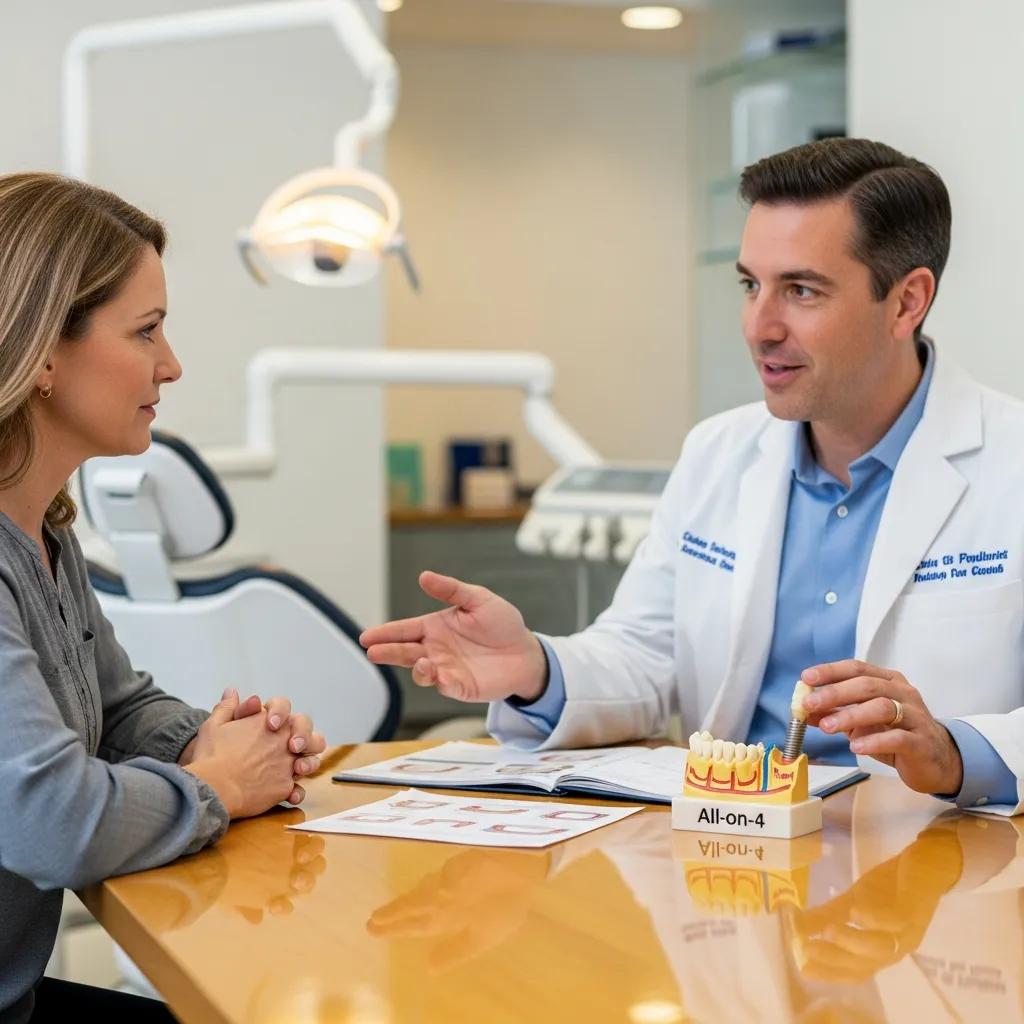
Selecting the right patients for All-on-4 treatment is crucial for successful outcomes. Dental professionals must assess various factors, including medical history, bone density, and patient expectations, to determine candidacy for the procedure.
What Are the Criteria for All-on-4 Patient Selection and Case Planning?
- Medical History Considerations: Patients should be in good overall health and free from uncontrolled systemic conditions that may impede healing.
- Bone Density Assessment: A thorough evaluation of the patient’s bone structure is essential to ensure adequate support for the implants.
- Patient Expectations: Understanding the patient’s goals and expectations helps in setting realistic outcomes for the treatment.
How Is Bone Loss Managed in All-on-4 Full-Arch Implant Cases?
Managing bone loss in All-on-4 cases often involves utilizing techniques such as bone grafting or sinus lifts when necessary. However, the design of the All-on-4 system minimizes the need for extensive grafting by leveraging the existing bone structure. Dental professionals can also employ advanced imaging techniques to assess bone quality and plan the implant placement accurately, ensuring optimal outcomes.
How Does the All-on-4 Digital Workflow Optimize Implant Placement and Prosthetics?
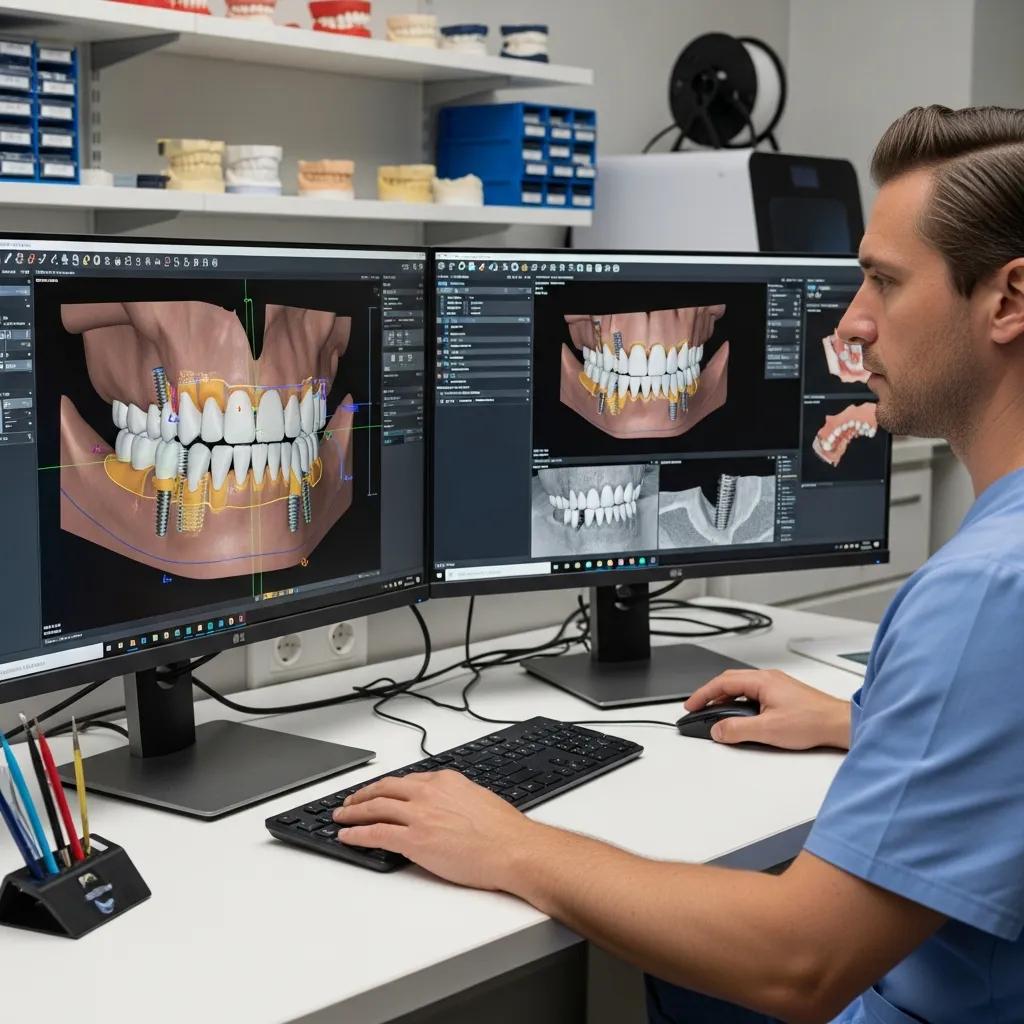
The integration of digital workflows in All-on-4 procedures enhances the precision and efficiency of implant placement and prosthetic fabrication. Digital technologies streamline the planning process, allowing for better visualization and accuracy.
What Role Do 3D Imaging and Surgical Guides Play in All-on-4 Procedures?
3D imaging plays a critical role in the All-on-4 workflow by providing detailed views of the patient’s anatomy. This information allows dental professionals to create surgical guides that ensure accurate implant placement. The use of surgical guides minimizes the risk of complications and enhances the predictability of the procedure, leading to improved patient outcomes.
The benefits of integrating digital technology, such as surgical guides, into the All-on-4 concept for enhanced precision and patient quality of life are further highlighted in recent studies.
Digital All-on-4 Implant Prosthesis & Surgical Guide Benefits
This study aimed to examine advancements in dental prosthesis fabrication using digital technology, particularly in implant systems. Digital tools have expanded their application in implant surgery and prosthesis creation, even for edentulous patients. A digital implant system based on the “all-on-4” concept was planned, utilizing a digital surgical guide for flapless surgery. The patient’s occlusal function and esthetics were improved significantly. This treatment strategy enhanced the quality of life of the patient, providing a natural smile and demonstrating the benefits of digital technology in dental prosthetics.
“All-on-4” concept implant prosthesis manufacturing using a digital guide: a case study, 2024
How Are CAD/CAM and Intraoral Scanning Used for Full Arch Prosthetic Fabrication?
Computer-Aided Design and Computer-Aided Manufacturing (CAD/CAM) technologies, along with intraoral scanning, facilitate the fabrication of high-quality prosthetics for All-on-4 implants. Intraoral scanners capture precise digital impressions, which are then used to design and manufacture custom prosthetic arches. This process not only improves the fit and aesthetics of the final restoration but also reduces the time required for fabrication.
A case study further illustrates how CAD/CAM technology can significantly streamline prosthodontic rehabilitation, even in complex All-on-4 implant cases.
All-on-4 CAD/CAM Prosthodontic Rehabilitation Case Study
Prosthodontic rehabilitation with all-on-4 implant therapy, utilizing computer-aided design and computer-assisted manufacturing (CAD/CAM), was completed within one month. This case utilized the all-on-4 implant system to address the insufficient fibular height for conventional dental implant placements. Dental CAD/CAM was employed to mill custom prosthetic abutments and a large titanium framework for the implant bar overdenture, compensating for the excessive interarch space between the grafted fibula and maxilla. This treatment approach successfully shortened the prosthodontic rehabilitation time and overcame anatomical limitations.
Prosthodontic rehabilitation with all-on-four implant treatment combined CAD/CAM prosthesis in an oral cancer patient: a case report, 2024
Which Prosthetic Materials Are Best for Permanent Full Arch Dental Restorations?
Choosing the right materials for All-on-4 prosthetics is essential for achieving durability and aesthetics. Various materials offer distinct advantages, and understanding their properties can help dental professionals make informed decisions.
How Do Zirconia, Acrylic, and Titanium Compare for All-on-4 Prosthetics?
| Material | Strength | Aesthetic Quality | Cost |
|---|---|---|---|
| Zirconia | High | Excellent | Moderate to High |
| Acrylic | Moderate | Good | Low |
| Titanium | High | Moderate | High |
Zirconia is often preferred for its strength and aesthetic qualities, making it suitable for anterior restorations and full-arch frameworks. Acrylic is a cost-effective option commonly used for denture teeth and temporary prosthetics, while titanium is primarily used for the implant fixtures and frameworks but is not typically used as a visible prosthetic material due to its metallic color.
What Are the Design Considerations for Esthetic and Durable All-on-4 Restorations?
When designing All-on-4 restorations, dental professionals must consider factors such as the patient’s facial structure, gum contour, and desired tooth shade. A well-designed restoration not only enhances aesthetics but also ensures functional longevity. Collaboration with dental technicians during the design phase can lead to optimal results that meet both functional and aesthetic requirements.
How Can Dental Practices Manage and Market All-on-4 Full Arch Implant Solutions?
Effectively managing and marketing All-on-4 solutions is crucial for dental practices looking to expand their offerings and attract new patients. Understanding the financial implications and patient education strategies can enhance practice growth.
What Is the Cost-Benefit Analysis of Offering All-on-4 Treatments?
Offering All-on-4 treatments can be financially beneficial for dental practices. The initial investment in training and materials can lead to increased patient volume and higher revenue. Practices can conduct a cost-benefit analysis by evaluating the costs associated with the procedure against the potential revenue generated from new patients seeking All-on-4 solutions.
How Can Dental Clinics Effectively Educate Patients and Promote All-on-4 Services?
Educating patients about the benefits and process of All-on-4 implants is essential for successful marketing. Dental clinics can utilize various strategies, including:
- Informational Workshops: Hosting workshops to explain the procedure and address patient concerns.
- Online Resources: Creating informative content on the clinic’s website to educate potential patients.
- Patient Testimonials: Sharing success stories from previous patients to build trust and credibility.
By implementing these strategies, dental practices can effectively promote their All-on-4 services and attract a broader patient base.
Open Implant Chair offers dental implant products and services, with a specific emphasis on All-on-4 Dental Implants and full-arch tooth replacement solutions. By integrating these advanced solutions into their practice, dental professionals can enhance patient satisfaction and improve clinical outcomes.