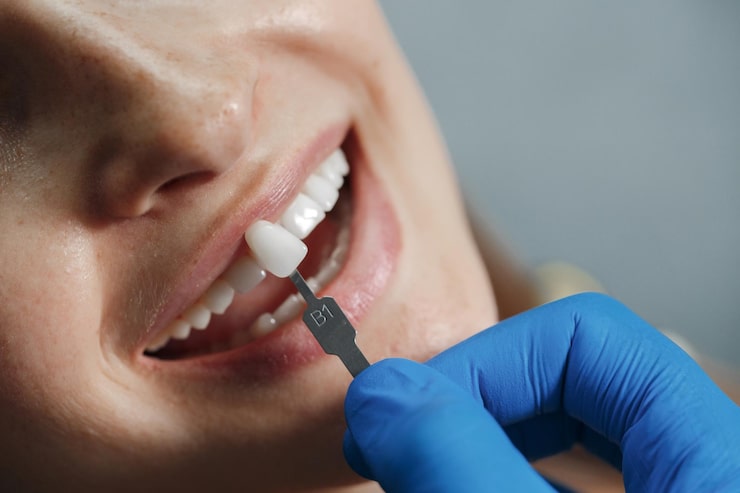
Dental implants have become an important option for replacing missing teeth. When appropriately planned and maintained, implant-supported restorations can help restore chewing function, stability, and confidence. However, successful implant treatment involves much more than selecting a high-quality implant.
The size, position, angulation, and design of an implant all need to be considered in relation to the patient’s anatomy and the final restoration. A dental implant sizing error can create challenges involving surrounding bone, nerves, teeth, soft tissue, or the restoration. Some problems may not become apparent immediately, which is why detailed planning before surgery is so important.
Proper implant treatment planning allows the provider to evaluate bone availability, oral health, bite, anatomical structures, and restorative requirements before determining the appropriate treatment approach.
For patients exploring full-arch implant treatment, Open Implant Chair connects patients with OIC-certified implant providers who can evaluate individual needs and discuss available treatment options.
Why Implant Size Matters
Dental implants are available in different lengths and diameters. The appropriate dimensions depend on factors such as available bone, the location of the missing tooth, expected chewing forces, the planned restoration, and the patient’s anatomy.
A larger implant is not automatically a better implant. If the available bone is narrow, an implant with a larger diameter may not be appropriate. Conversely, an implant that is too small for the functional demands of a restoration may not provide the desired foundation.
The objective is to select an implant that fits the patient’s anatomy while supporting the planned restoration.
This is why implant selection should be part of a broader diagnostic and treatment-planning process rather than an isolated decision.
What Is a Dental Implant Sizing Error?
A dental implant sizing error occurs when the selected implant dimensions are not appropriately matched to the patient’s anatomy, available bone, functional requirements, or restorative plan.
Sizing and positioning considerations may include:
- Implant diameter
- Implant length
- Implant position
- Implant angulation
- Implant depth
- Available bone
- Relationship to nerves and other anatomical structures
- Compatibility with the final restoration
For example, an implant that is too wide for the available ridge may leave inadequate bone surrounding the implant. An implant that is too narrow may not provide the foundation required for a particular restoration.
However, implant dimensions are only part of the overall picture. Even an appropriately sized implant can present challenges if it is positioned incorrectly.
For this reason, implant placement and implant sizing should be planned together.
How Proper Implant Treatment Planning Reduces Risk
Implant planning begins before the surgical appointment. The provider needs to understand the patient’s clinical situation and restorative objectives before determining how treatment should proceed.
Planning may involve:
- A comprehensive oral examination
- Dental imaging
- Evaluation of available bone
- Assessment of gum health
- Bite analysis
- Review of dental history
- Evaluation of the planned restoration
- Consideration of anatomical limitations
Three-dimensional imaging, including CBCT, can provide detailed information about jaw anatomy and available bone. It can also help identify structures that need to be considered when planning implant placement.
Open Implant Chair’s provider network includes specialists with experience in full-arch implant procedures and access to 3D CBCT imaging for treatment planning.
The goal is to create a plan that considers both the surgical requirements and the final restorative result.
The Connection Between Implant Size and Bone
Bone availability is one of the key factors considered when selecting an implant.
Following tooth loss, the jawbone can gradually change in shape and volume. As a result, the bone available at a future implant site may differ significantly from the bone that originally supported the natural tooth.
If an implant is wider than the available bone can safely accommodate, the provider may need to consider a different implant dimension, alternative positioning, bone augmentation, or another treatment approach.
The available bone may also influence the appropriate implant length and diameter.
Bone loss does not automatically mean that implant treatment is impossible. Depending on the individual situation, different treatment approaches may be available.
For patients with extensive tooth loss, full mouth dental implants may be considered when a complete arch restoration is clinically appropriate. The number, dimensions, and position of implants should always be determined through an individual evaluation.
Why Implant Placement Is More Than Putting an Implant Into Bone
Implant placement requires careful planning because an implant must eventually support a restoration while functioning within a complex biological environment.
The provider needs to consider factors such as:
- Adjacent teeth
- Nerves
- Sinuses
- Bone contours
- Gum tissue
- Bite
- Final prosthetic design
- Expected functional forces
Initial stability after surgery is only one part of the overall treatment process. Long-term results depend on factors including bone integration, oral health, restoration design, maintenance, and the forces placed on the implant.
This is why surgical and restorative planning should work together.
Ideally, the provider considers where the final replacement tooth needs to be positioned before determining the optimal implant location. In other words, implant placement should support the final restorative objective rather than being treated as an isolated surgical step.
Common Implant Complications Associated With Poor Planning
Dental implant complications can have many different causes, and not every complication is related to implant size or treatment planning. However, inadequate planning can contribute to certain challenges.
Inadequate Bone Support
If implant dimensions do not correspond with the available bone, the surrounding bone may not provide the desired foundation for the implant.
Damage to Anatomical Structures
Inaccurate planning or positioning may increase the risk of encountering important structures such as nerves or the sinus.
Soft Tissue Concerns
The position and dimensions of an implant can influence the appearance and health of the surrounding soft tissues.
Mechanical Stress
The implant and restoration need to work together to manage normal chewing forces. Poor positioning or inappropriate dimensions may contribute to unfavorable loading.
Challenges With the Final Restoration
If implants are not positioned according to the restorative plan, designing and fitting the final prosthesis may become more difficult.
Biological Complications
Oral hygiene, periodontal health, smoking, systemic factors, and other patient-specific considerations can also influence implant health.
The key point is that implant complications are often multifactorial. Proper planning cannot eliminate every possible risk, but it can help identify important considerations before treatment begins.
What Contributes to Long-Term Implant Success?
There is no single factor that guarantees successful dental implant treatment. Long-term results depend on a combination of biological, surgical, restorative, and maintenance factors.
Important considerations may include:
- Appropriate patient selection
- Healthy or adequately managed oral tissues
- Sufficient bone support
- Appropriate implant dimensions
- Accurate implant placement
- Adequate implant stability
- Properly designed restoration
- Healthy bite and functional forces
- Good oral hygiene
- Regular professional maintenance
- Following postoperative instructions
- Managing factors that may affect healing
The patient’s role does not end after surgery. Dental implants require ongoing care, including daily oral hygiene and regular professional dental visits.
Open Implant Chair also emphasizes maintenance as part of protecting the health and longevity of implant-supported restorations.
Why Surgical Planning Should Begin With the Final Restoration
One of the important principles of implant dentistry is restorative-driven planning.
The final replacement teeth need to look natural, function properly, and fit comfortably. Therefore, the planned implant position should support the desired restorative outcome.
Full-arch treatment makes this particularly important because multiple implants must work together to support one complete restoration. The provider needs to consider the shape of the arch, bite, prosthetic design, implant positions, and distribution of functional forces.
For patients considering All-on-4 dental implants, four strategically positioned implants may be used to support a complete arch of fixed replacement teeth.
Some patients may also be candidates for All-on-6 dental implants, which use six implants to support a complete arch.
Neither approach should be selected simply because a particular number of implants sounds stronger or more advanced. The appropriate treatment depends on individual anatomy, oral health, restorative requirements, and professional evaluation.
How 3D Imaging Supports Implant Planning
Two-dimensional dental images can provide useful information, but three-dimensional imaging can offer a more detailed view of the jaw and surrounding anatomy.
A CBCT scan may help the provider evaluate:
- Bone width
- Bone height
- Jaw anatomy
- Nerve location
- Sinus position
- Existing teeth and roots
- Potential implant sites
- Anatomical limitations
This information can assist with determining appropriate implant dimensions and planning implant placement.
Three-dimensional imaging can be particularly useful when treatment involves multiple missing teeth, significant bone loss, or full-arch restoration.
OIC states that its certified provider standards include 3D CBCT imaging on-site for comprehensive treatment planning.
Does Bigger Always Mean Better?
No.
It may seem logical to assume that a wider or longer implant will always provide more strength. Implant selection, however, is not simply about choosing the largest possible implant.
The implant needs to fit the available anatomy while providing suitable support for the planned restoration.
A properly selected implant that respects the patient’s bone and anatomical structures may be more appropriate than a larger implant that creates unnecessary concerns.
The same principle applies to implant length. A longer implant is not automatically better if its dimensions create anatomical limitations.
The goal is to select the implant that fits the clinical requirements of the individual case.
How Open Implant Chair Can Help Patients Find a Provider
Choosing an implant provider can be challenging, particularly when a patient is considering full-arch or complex implant treatment.
Open Implant Chair is a placement network rather than a dental clinic. It connects patients with OIC-certified implant providers who perform the clinical treatment.
The network’s stated certification standards include qualifications, full-arch experience, 3D CBCT imaging, and surgical and restorative capabilities.
Patients can begin by discussing their oral health, treatment goals, location, timeline, and budget. The matched provider can then perform the appropriate clinical evaluation and explain which treatment options may be suitable.
If you are searching for a provider in your area, the dental implants near me service can help you begin the provider-matching process.
Questions to Ask Before Implant Surgery
Patients can take an active role in understanding their treatment plan.
Before proceeding, consider asking your implant provider:
- What implant size and type are you recommending?
- Why is this implant size appropriate for my anatomy?
- How much bone is available at the planned implant site?
- Will 3D imaging be used during treatment planning?
- Where will the implant be positioned?
- How does the implant position relate to the final restoration?
- Are there anatomical structures that require special consideration?
- Are there alternative treatment options?
- What potential complications should I understand?
- What maintenance will be required after treatment?
A detailed discussion can help patients understand why a particular treatment plan has been recommended.
Proper Planning Is an Investment in Long-Term Results
Dental implant treatment is a significant investment in oral health. Although implant technology and treatment techniques continue to evolve, successful treatment still depends on appropriate diagnosis, planning, surgical execution, restoration, and ongoing maintenance.
A dental implant sizing error may be less likely when treatment begins with comprehensive evaluation and careful planning.
The goal should not be to select an implant based solely on size, price, or marketing claims. Instead, treatment planning should consider the patient’s anatomy, available bone, function, aesthetics, restoration design, and long-term maintenance needs.
For patients exploring full-arch treatment, Open Implant Chair can simplify the process by connecting them with OIC-certified implant providers and helping them begin with a consultation.
If you are considering dental implants, schedule a free consultation with Open Implant Chair to discuss your needs and begin the provider-matching process.
Frequently Asked Questions
1. What is a dental implant sizing error?
A dental implant sizing error occurs when the dimensions of an implant are not appropriately matched to the patient’s anatomy, available bone, functional requirements, or planned restoration. A comprehensive evaluation can help the provider determine which implant dimensions may be appropriate.
2. Can the wrong implant size cause complications?
An inappropriate implant size or position may contribute to challenges involving bone, soft tissue, anatomical structures, mechanical forces, or the final restoration. However, implant complications can have multiple causes, so an individual clinical evaluation is necessary to understand specific risks.
3. How does 3D imaging help with implant treatment planning?
Three-dimensional imaging such as CBCT can provide detailed information about bone dimensions and important anatomical structures. This information can help the provider evaluate potential implant sites and plan implant placement more precisely.
4. Is a larger dental implant always stronger or better?
No. The appropriate implant size depends on the patient’s anatomy, available bone, restoration, and treatment requirements. A larger implant is not automatically better if its dimensions are incompatible with the surrounding anatomy.
5. How can I find the right provider for dental implant treatment?
Begin with a comprehensive consultation. Ask about the provider’s experience, diagnostic process, treatment-planning approach, implant options, potential complications, and planned restoration. Open Implant Chair can connect patients with OIC-certified implant providers who can evaluate their individual needs and discuss appropriate treatment options.