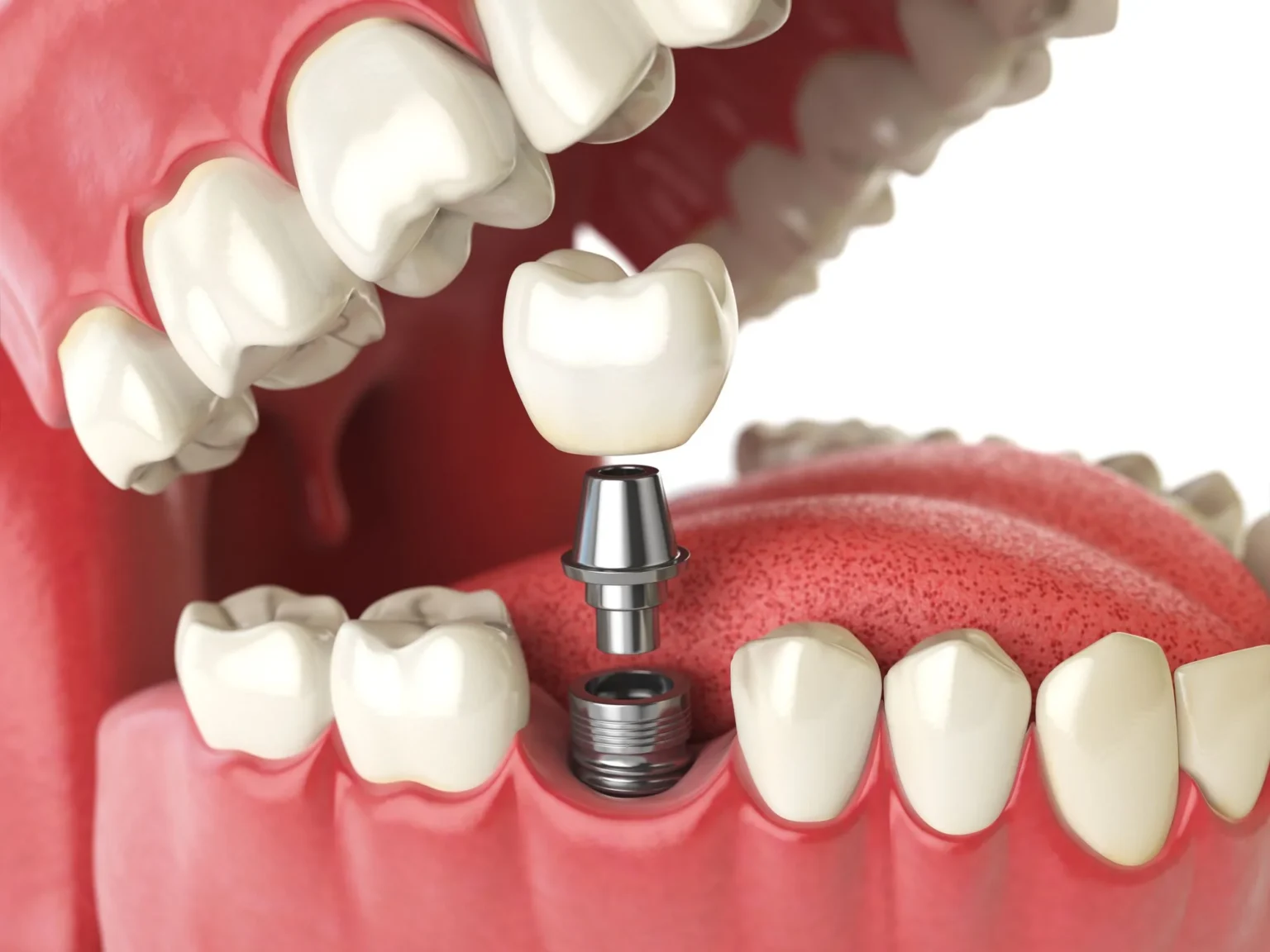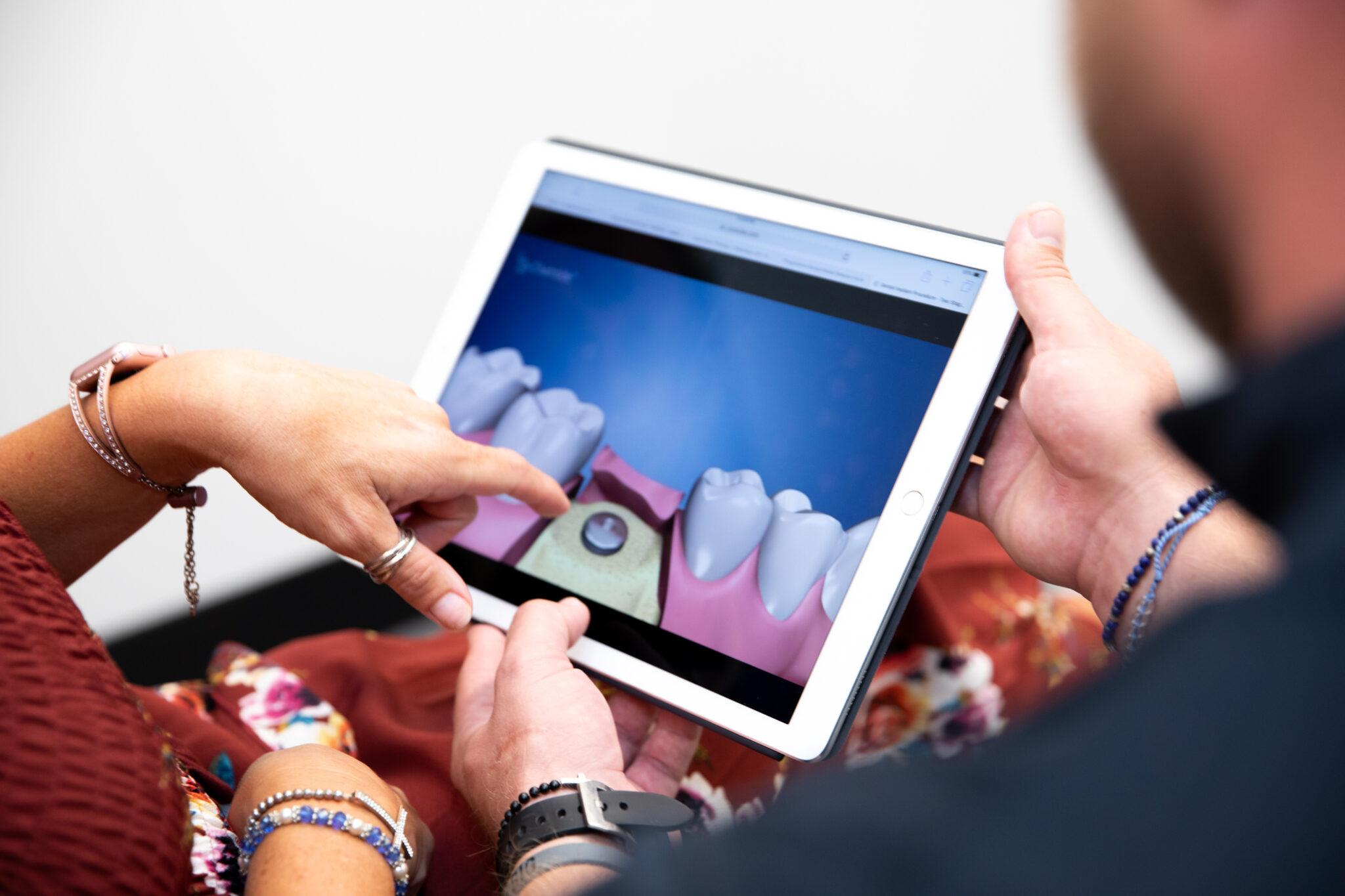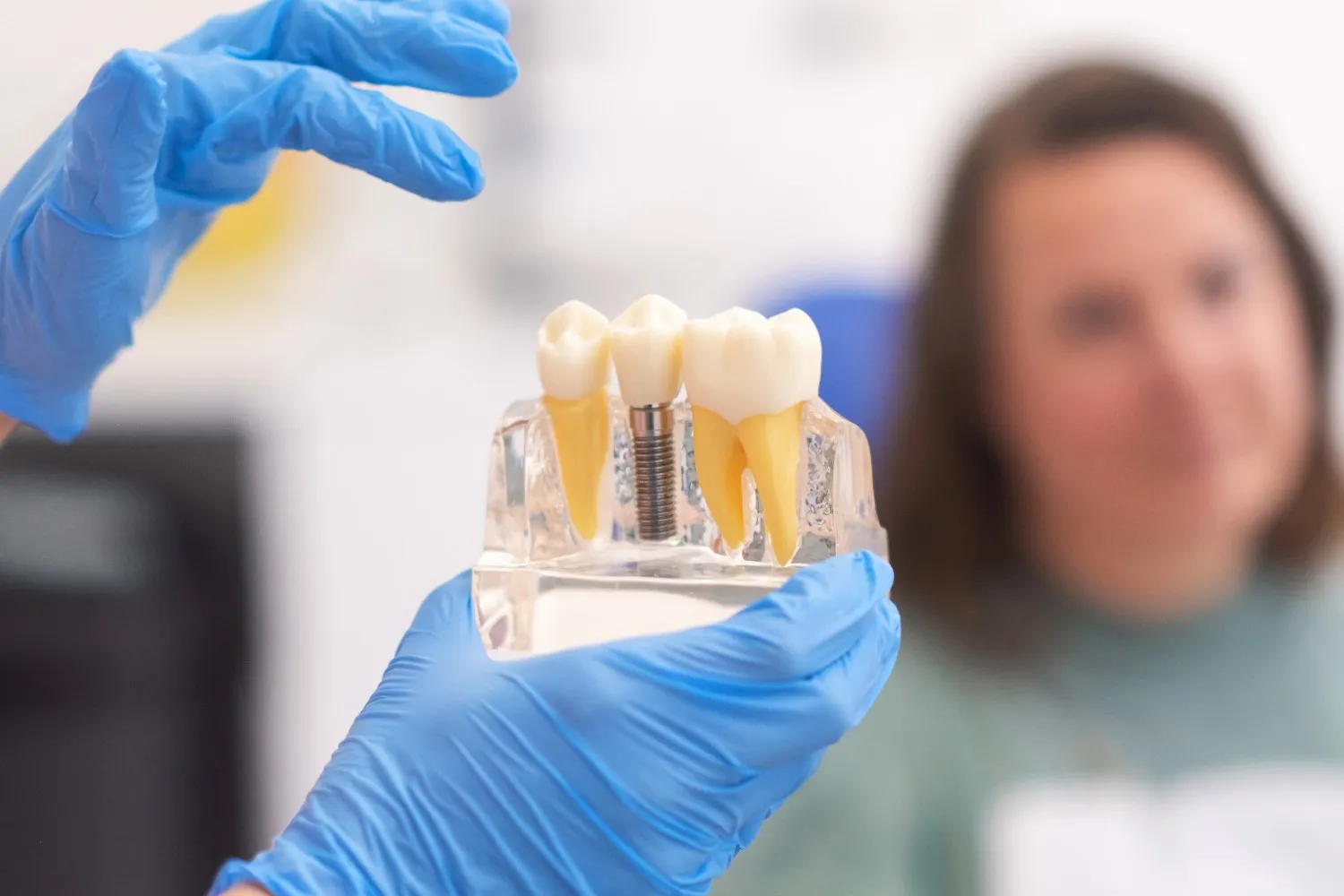
Dental implants are designed to provide a stable and long lasting solution for missing teeth. However, successful implant treatment depends on much more than the implant itself. The health of the gums and soft tissues surrounding the implant plays an important role in healing, stability, appearance, and long term performance.
When patients think about dental implant success, they often focus on the implant material, surgical technique, or quality of the replacement teeth. While these factors matter, the tissues surrounding an implant are equally important. Healthy gums create a protective environment around the implant and help defend the underlying bone from harmful bacteria and inflammation.
This is why gum health dental implants should always be considered together when planning and maintaining implant treatment. Before implant placement, existing gum problems may need to be addressed. After treatment, consistent oral hygiene and professional maintenance can help protect the tissues around the implant.
At Open Implant Chair, patients can connect with OIC certified implant providers who evaluate individual oral health, bone condition, gum health, and treatment goals before recommending an implant solution.
Why Gum Health Matters Before Dental Implant Treatment
Healthy gums provide an important foundation for implant treatment. If a patient has active gum disease, inflammation, infection, or significant tissue problems, these conditions may affect the healing environment around a newly placed implant.
Periodontal disease can damage the tissues and bone that support natural teeth. Since dental implants also depend on healthy surrounding tissues, untreated inflammation can create challenges for long term implant stability.
A comprehensive evaluation before treatment allows an implant provider to identify potential problems and determine whether gum treatment or other preparation is necessary before implant placement.
Patients considering implant treatment should therefore look beyond the appearance of their smile and consider the overall condition of their oral tissues.
Open Implant Chair emphasizes a consultation first approach because implant recommendations should be based on an individual’s oral health, anatomy, treatment goals, and clinical evaluation rather than online information alone.
The Connection Between Gum Tissue and Implant Stability
A dental implant is placed into the jawbone, but the gum tissue surrounding it also has an important protective role.
Natural teeth have periodontal tissues that help connect them to the surrounding structures. Dental implants have a different biological relationship with the surrounding tissues. This means careful planning of the soft tissue around an implant is essential.
Healthy soft tissue can help create a protective barrier around the implant. When this tissue is healthy and properly maintained, it can help reduce the opportunity for bacteria to move deeper around the implant.
This is where implant soft tissue management becomes important.
Soft tissue management may involve evaluating gum thickness, tissue quality, the position of the gumline, and the amount of tissue available around the planned implant site. Depending on the patient’s condition, an implant provider may recommend specific procedures or techniques to improve the soft tissue environment.
The exact approach varies from patient to patient, which is why professional assessment is an important part of treatment planning.
Implant Tissue Type Importance
One factor that deserves particular attention is implant tissue type importance. Not every patient has the same thickness, quality, or amount of gum tissue around an implant site.
Some individuals naturally have thicker gum tissue, while others may have thinner tissue that can be more susceptible to recession or changes in appearance.
Tissue characteristics can influence both aesthetics and long term tissue stability. This is especially important when implants are placed in highly visible areas of the smile.
During treatment planning, an experienced implant provider may evaluate the surrounding soft tissue along with bone quality, bite forces, tooth position, and overall oral health.
This comprehensive approach helps ensure that the implant is not viewed as an isolated component. Instead, the implant, restoration, bone, gums, and bite are considered as parts of one treatment system.
What Is Peri Implantitis?
One of the major concerns associated with poor gum health around dental implants is peri implantitis.
Peri implantitis is an inflammatory condition affecting the tissues around a dental implant and may involve progressive loss of supporting bone. It can develop when bacterial plaque accumulates around an implant and inflammation is not adequately controlled.
The condition is important because problems around an implant can progress without the same symptoms patients might expect from a natural tooth.
Possible warning signs may include:
-
Redness or swelling around the implant
-
Bleeding during cleaning
-
Persistent tenderness
-
Gum recession
-
Pus or discharge
-
Changes in the appearance of the gumline
-
Increasing discomfort
-
Changes in implant stability
Not every symptom means an implant is failing, but changes around an implant should not be ignored.
Early evaluation gives a dental professional an opportunity to identify the cause and recommend appropriate treatment.
Gum Recession Around Implants
Another issue patients should understand is gum recession around implants.
When gum tissue moves away from its original position, more of the implant or restoration may become visible. In addition to creating an aesthetic concern, tissue recession can affect the protective soft tissue environment around the implant.
Several factors can contribute to gum recession, including tissue thickness, implant positioning, inflammation, oral hygiene habits, bite forces, and individual anatomy.
This is one reason implant treatment planning should consider the soft tissue as well as the jawbone.
If you notice that the gumline around an implant appears to be changing, schedule an evaluation rather than waiting for the condition to worsen. Early assessment may help determine whether the issue is related to inflammation, mechanical factors, tissue characteristics, or another underlying problem.
How Implant Soft Tissue Management Supports Long Term Results
Successful implant treatment begins with careful planning.
Implant soft tissue management involves considering the condition and characteristics of the gum tissue before, during, and after implant treatment.
Depending on the individual case, the provider may evaluate:
-
Gum thickness
-
Tissue quality
-
Gumline position
-
Soft tissue volume
-
Existing inflammation
-
Esthetic requirements
-
Implant position
-
Bone condition
-
Oral hygiene
These factors can help guide treatment decisions and may be particularly important when an implant is located in an area that is highly visible when smiling.
The objective is to create an environment where the implant and surrounding tissues can function together as effectively as possible.
Patients considering full arch treatment can also explore Open Implant Chair’s full mouth dental implant services to understand the types of implant solutions available through its provider network.
Why Healthy Gums Are Important After Implant Placement
Gum health remains important even after the implant has successfully healed.
An implant may not develop a cavity like a natural tooth, but bacteria can still accumulate around the implant and restoration. Plaque buildup can contribute to inflammation of the surrounding tissues.
This means that replacing missing teeth does not eliminate the need for oral hygiene.
Patients should continue to follow their provider’s recommendations for brushing, cleaning between teeth, and professional dental visits.
Open Implant Chair’s guidance on implant success also emphasizes daily care and regular dental visits as important components of long term implant maintenance.
Implant Maintenance Is Essential for Long Term Success
Implant maintenance should become part of your long term oral health routine.
A good maintenance routine may include:
Brush Regularly
Brush at least twice a day using a toothbrush and technique recommended by your dental professional.
Clean Around the Implant
Plaque can collect around implant supported restorations, so cleaning around the implant and restoration is essential.
Clean Between Teeth
Depending on your restoration, your provider may recommend floss, interdental brushes, water flossers, or other cleaning tools.
Attend Regular Dental Appointments
Professional examinations allow your provider to monitor the implant, gum tissue, restoration, and surrounding bone.
Report Changes Early
Bleeding, swelling, discomfort, bad taste, gum recession, or changes around the restoration should be evaluated rather than ignored.
Consistent maintenance can help identify problems early and support the long term health of the tissues around the implant.
The Role of Oral Hygiene in Preventing Implant Problems
Daily oral hygiene is one of the simplest ways patients can support their implant investment.
Even a professionally placed implant can be affected by poor plaque control. When bacteria accumulate around the gumline, inflammation may develop. If inflammation continues, it can potentially affect deeper supporting tissues.
Patients should therefore think about implant care as an ongoing process rather than something that ends after surgery.
The same principle applies to full arch implant restorations. Open Implant Chair explains that dental implants require consistent oral care, including brushing, cleaning around implants, and regular dental visits.
Gum Health and Full Arch Dental Implants
Gum health becomes particularly important when patients receive a full arch implant restoration.
Full arch treatments replace an entire upper or lower arch with an implant supported restoration. These treatments require careful evaluation of oral health, bone structure, implant positioning, and the tissues surrounding the implants.
For patients exploring this type of treatment, full arch dental implant solutions from Open Implant Chair provide information about available treatment approaches and provider matching.
For eligible patients considering a four implant full arch approach, All on 4 dental implants may be another treatment option to discuss with a qualified implant provider. The suitability of All on 4 depends on factors such as oral health, bone structure, anatomy, and individual treatment goals.
Can Poor Gum Health Cause Dental Implant Failure?
Poor gum health does not automatically mean a dental implant will fail, but untreated inflammation and inadequate oral hygiene can increase the risk of complications.
Implant failure can involve several different factors, including infection, bone loss, implant positioning, excessive forces, medical factors, and inadequate maintenance.
This is why it is difficult to identify one single cause when an implant develops a problem.
A thorough evaluation should consider the entire situation. Your provider may examine the gum tissue, supporting bone, restoration, bite, hygiene routine, and implant itself.
If you are concerned about implant health, an evaluation is more useful than trying to diagnose the problem yourself.
Signs That Your Gum Health Needs Attention
Patients should contact their dental professional if they notice changes around an implant.
Important signs may include:
-
Persistent bleeding
-
Swollen or red gum tissue
-
Gum recession
-
Pus or discharge
-
Persistent bad taste or odor
-
Pain or tenderness
-
Difficulty cleaning around the restoration
-
A change in how the restoration feels
-
Any sensation of implant movement
Some minor changes may have simple explanations, but persistent or worsening symptoms deserve professional attention.
Early evaluation can help determine what is happening and whether treatment is required.
How Professional Planning Can Protect Your Implant Investment
Dental implants represent a significant investment in your oral health, function, and confidence. Protecting that investment involves more than selecting the right implant.
Professional planning considers the complete oral environment.
Before treatment, an implant provider may evaluate bone volume, gum condition, bite alignment, remaining teeth, oral hygiene, medical history, and treatment goals. Open Implant Chair’s information on dental implant success similarly highlights gum condition, bone quality, bite alignment, medical history, and lifestyle factors as important elements of treatment planning.
After treatment, the focus shifts toward healing, hygiene, monitoring, and maintenance.
This complete approach can help patients understand what is required for long term implant care.
Healthy Gums Should Be a Long Term Priority
The importance of healthy gums does not disappear once the implant has healed.
Your gum tissue continues to interact with the implant restoration every day. Eating, chewing, cleaning, and normal oral activity all place demands on the tissues around the implant.
Maintaining healthy gums therefore requires consistent habits.
Patients who take care of their implants should think about three important stages:
Before treatment: Identify and address existing gum problems.
During treatment: Ensure appropriate planning of the implant and surrounding tissues.
After treatment: Maintain excellent hygiene and attend regular professional appointments.
Together, these steps can create a stronger foundation for long term implant health.
Final Thoughts
Dental implant success is influenced by many factors, and gum health is one of the most important.
Healthy gum tissue helps provide a protective environment around the implant, while proper implant soft tissue management can support both function and appearance. Understanding implant tissue type importance, watching for gum recession around implants, and preventing conditions such as peri implantitis can all contribute to better long term care.
Most importantly, implant maintenance should continue throughout the life of your restoration.
If you are considering dental implants, start with a professional assessment rather than assuming that one treatment works for everyone. Open Implant Chair helps patients connect with OIC certified implant providers who can evaluate their individual needs and explain appropriate treatment options.
You can also review the Open Implant Chair guide to dental implant success requirements for additional information about planning, healthy gums, and long term implant care.
If you are ready to explore your options, contact Open Implant Chair for a free consultation and take the next step toward finding an implant provider suited to your needs.
“`html “`
1. Why is gum health important for dental implants?
Gum health helps create a stable and protective environment around dental implants. Healthy tissues can help reduce inflammation and protect the supporting structures around an implant. Maintaining good gum health before and after treatment is an important part of long term implant care.
2. Can gum disease affect dental implant success?
Yes. Active gum disease and inflammation can create an unfavorable environment for implant treatment. A dental professional may recommend addressing existing gum problems before implant placement. After treatment, good oral hygiene and professional maintenance remain important.
3. What is peri implantitis?
Peri-implantitis is an inflammatory condition affecting tissues around a dental implant and may involve loss of supporting bone. Plaque and bacterial buildup can contribute to inflammation. Signs such as bleeding, swelling, gum recession, discomfort, or discharge should be evaluated by a dental professional.
4. How can I prevent gum recession around implants?
Prevention depends on individual factors, including tissue characteristics, implant positioning, oral hygiene, inflammation control, and regular professional monitoring. Following your provider’s cleaning instructions and reporting changes in the gumline early can help protect the surrounding tissues.
5. How often should dental implants be maintained?
The appropriate maintenance schedule depends on your individual implant treatment, restoration, oral health, and risk factors. Regular dental examinations and professional cleanings allow your provider to monitor the gum tissue, restoration, implant, and supporting structures. Your provider can recommend the most appropriate maintenance schedule for you.