Why Dental Implants Require a Personalized Assessment
Dental implants are designed to replace missing tooth roots by placing a titanium implant securely into the jawbone. Once the implant heals, it supports a crown, bridge, or denture that looks and functions like natural teeth. Unlike traditional tooth replacement methods, implants depend on several factors, including:- Overall oral health
- Gum condition
- Jawbone quality
- Medical history
- Lifestyle habits
- Number and location of missing teeth
Sign #1: You Have One or More Missing Teeth
The most obvious indication that you may qualify for implants is having one or more missing teeth. Whether you lost a tooth because of decay, injury, gum disease, or a previous extraction, implants offer a permanent replacement option that restores both appearance and function. Dental implants can replace:- A single missing tooth
- Multiple missing teeth
- Several missing teeth with implant-supported bridges
- An entire upper or lower arch
- Full-mouth tooth loss
Sign #2: Your Gums Are Healthy or Can Be Treated
Healthy gums play an important role in implant success. Your provider will carefully examine your gums for signs of infection, inflammation, or advanced periodontal disease. Having gum disease does not automatically eliminate you as a candidate. In many cases, periodontal treatment allows patients to proceed safely with implants afterward. Maintaining healthy gums for implants improves healing, supports surrounding bone, and helps reduce the risk of complications after surgery. Your dentist may recommend:- Professional periodontal therapy
- Improved home oral hygiene
- Regular maintenance appointments
- Smoking cessation when applicable
Sign #3: You Have Adequate Bone Density
One of the most important factors during an implant evaluation is bone density. Because implants are placed into the jawbone, there must be enough healthy bone to support them securely. After tooth loss, bone naturally begins shrinking over time because it is no longer stimulated by chewing forces. Fortunately, reduced bone does not necessarily prevent treatment. Advanced procedures such as bone grafting and sinus augmentation have expanded implant eligibility for many patients who were previously told they were not candidates. Your provider may recommend:- Digital CBCT imaging
- Bone measurements
- Bone grafting if necessary
- Healing before implant placement
Sign #4: Your Overall Health Is Stable
Good general health contributes to successful healing after implant placement. Certain medical conditions require additional planning, but they rarely prevent treatment entirely. Your implant provider will review your medical history, medications, and overall wellness before making recommendations. Conditions commonly discussed during your consultation include:- Diabetes
- Heart disease
- Osteoporosis
- Autoimmune disorders
- Previous radiation therapy
Sign #5: You Want a Long-Term Solution Instead of Temporary Tooth Replacement
Many patients become implant candidates simply because they want a solution designed to last. Traditional dentures and removable appliances may require adhesives, frequent adjustments, or replacement over time. Dental implants provide greater stability because they integrate directly with the jawbone. Patients often appreciate benefits such as:- Improved chewing ability
- Better speech
- Increased confidence
- Stable replacement teeth
- Preservation of jawbone structure
- Natural appearance
Sign #6: Your Age Does Not Automatically Disqualify You
One of the biggest misconceptions about implants is that they are only suitable for younger adults. In reality, age alone is rarely a deciding factor. Many patients in their 60s, 70s, and even 80s successfully receive dental implants every year. What matters most is your overall oral health, bone quality, and ability to heal properly after treatment. For many older adults, implants can significantly improve daily life by making it easier to eat nutritious foods, speak confidently, and smile without worrying about loose dentures. If you’re researching dental implants for seniors, the first step is scheduling a professional evaluation instead of assuming you’re not eligible. Advances in modern implant dentistry have made treatment accessible to more patients than ever before.Sign #7: You Need Full Mouth Tooth Replacement
If you’ve lost most or all of your teeth, you’re not limited to traditional dentures. Modern full mouth dentistry offers several implant-supported solutions that provide greater comfort, stability, and function. Depending on your oral health and treatment goals, your provider may recommend:- Implant-supported dentures
- Full arch implant restorations
- All-on-X implant solutions
- Multiple implant-supported bridges
Sign #8: You’re Looking for an Affordable Long-Term Investment
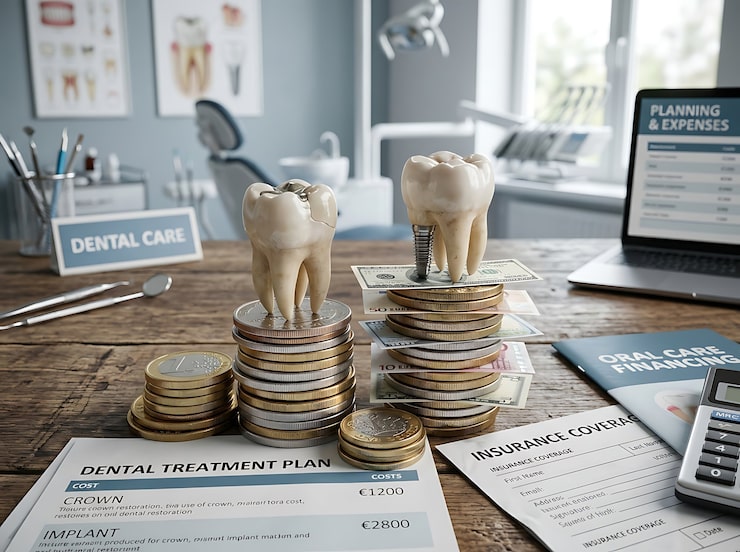
While many people initially focus on the upfront cost, it’s important to consider the long-term value of dental implants. Unlike removable appliances that may require relining, repairs, adhesives, or replacement over time, implants are designed to provide a durable and stable solution when properly maintained. At Open Implant Chair, patients can explore treatment options through experienced implant providers while learning about available financing solutions that make care more accessible. If you’re searching for an affordable dental implant option, your consultation is the best place to discuss treatment costs and payment plans based on your individual needs.What Happens During Your Dental Implant Consultation?
Many patients delay treatment simply because they aren’t sure what to expect during their first visit. An implant consultation is straightforward, informative, and focused on determining the most suitable treatment for your smile. During your implant assessment, your provider will typically:- Review your medical and dental history.
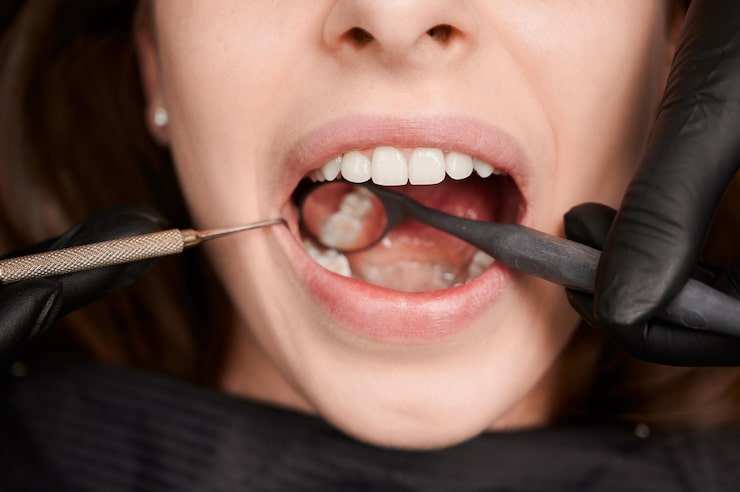
- Perform a comprehensive oral examination.
- Evaluate your gums and surrounding tissues.
- Take digital X-rays or a 3D CBCT scan to assess bone density.
- Discuss your smile goals and expectations.
- Explain available treatment options.
- Create a personalized treatment plan.
- Review estimated costs and financing options.
Common Factors That May Delay Implant Treatment
Not every patient is immediately ready for implants, but that doesn’t necessarily mean treatment isn’t possible. Your provider may recommend addressing certain concerns first, including:- Active gum disease
- Untreated tooth infections
- Severe bone loss
- Heavy tobacco use
- Poor oral hygiene habits
- Certain uncontrolled medical conditions
Tips to Improve Your Implant Eligibility
If you’re unsure whether you currently qualify, there are several proactive steps you can take to improve your oral health before your consultation. Maintain a consistent brushing and flossing routine to keep your gums healthy. Schedule regular dental cleanings to manage plaque and inflammation. If you smoke, reducing or quitting tobacco use can significantly improve healing after implant surgery. Managing chronic health conditions, following your physician’s recommendations, and maintaining a balanced diet also contribute to successful treatment outcomes. Most importantly, don’t delay seeking professional advice. An evaluation provides accurate answers and may reveal treatment options you didn’t realize were available.Why Choose Open Implant Chair?
Choosing the right implant provider is just as important as deciding to replace missing teeth. Open Implant Chair connects patients with experienced implant professionals who offer personalized treatment recommendations based on comprehensive evaluations. Rather than using a one-size-fits-all approach, every patient receives an assessment tailored to their oral health, goals, and budget. Our network focuses on:- Personalized treatment planning
- Experienced implant providers
- Modern diagnostic technology
- Flexible financing options
- High-quality patient care
Final Thoughts
If you’ve been wondering, am I a candidate for dental implants, the only way to know for certain is through a professional evaluation. Many people who assume they don’t qualify are surprised to learn that modern implant techniques can successfully address concerns such as bone loss, previous tooth loss, or age-related changes. At Open Implant Chair, we’re committed to helping patients find experienced implant providers who prioritize personalized care and long-term results. With a comprehensive dental implant consultation, you can better understand your implant eligibility, explore treatment options, and take the next step toward restoring your smile.Ready to Find Out if You’re a Candidate?
Contact Open Implant Chair today to schedule your dental implant consultation and discover personalized treatment options that fit your smile, health, and budget.Frequently Asked Questions
Am I a candidate for dental implants if I've been missing teeth for several years?
Yes. Even if you’ve had missing teeth for many years, you may still qualify. Your provider will evaluate your jawbone and may recommend procedures like bone grafting if additional support is needed before implant placement.
Can seniors receive dental implants?
Absolutely. Age alone does not determine eligibility. Many seniors successfully receive dental implants when they have stable overall health and sufficient bone support for treatment.
What happens during a dental implant consultation?
Your consultation includes a comprehensive oral examination, digital imaging, a review of your medical history, and a personalized treatment plan. This helps determine your implant eligibility and the most suitable treatment option.
How do healthy gums affect dental implant success?
Healthy gums provide the foundation needed to support dental implants. If gum disease is present, your provider may recommend periodontal treatment before moving forward with implant surgery.
Are affordable dental implant financing options available?
Yes. Many implant providers within the Open Implant Chair network offer financing solutions that help make treatment more manageable. Your consultation is the best opportunity to discuss available payment options based on your treatment plan.