Why Long-Term Success Begins Before Implant Placement
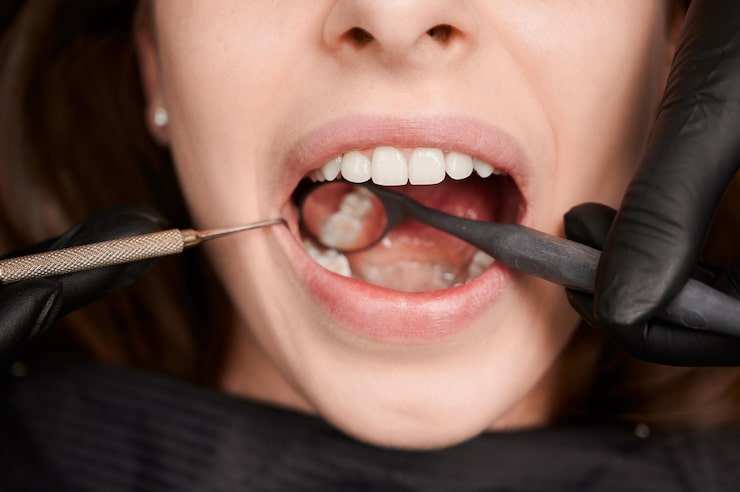
Many patients assume that implant success depends only on the surgical procedure. Long-term outcomes begin well before treatment starts. A comprehensive evaluation allows your provider to assess:- Overall oral health
- Bone quality and density
- Gum condition
- Bite alignment
- Medical history
- Lifestyle habits that may affect healing
Healthy Gums Are the Foundation of Successful Dental Implants
One of the most overlooked dental implant success requirements is maintaining healthy gums. Although implants cannot develop cavities like natural teeth, the surrounding gum tissue remains essential for protecting the supporting bone. Healthy gums create a strong seal around the implant, reducing the risk of infection and inflammation. Before implant placement, any existing gum disease should be addressed. After treatment, maintaining healthy gums through daily oral hygiene and regular professional care helps protect the implant for the long term. Patients who prioritize gum health often experience better healing and greater implant stability.Daily Dental Implant Care Makes a Lasting Difference
Consistent dental implant care is one of the simplest ways to maximize the lifespan of your restoration. Daily care should include:- Brushing twice each day using a soft-bristled toothbrush.
- Cleaning around the implants carefully.
- Following any personalized recommendations from your provider.
- Keeping routine dental appointments.
Implant Hygiene Is More Than Brushing
Good implant hygiene involves more than simply brushing your teeth. Cleaning between implants and beneath a fixed restoration is equally important because plaque and food debris can collect in areas that are difficult to reach. Your provider may recommend specialized cleaning tools such as:- Interdental brushes
- Water flossers
- Implant-safe floss
- Other customized hygiene aids
Regular Professional Maintenance Protects Your Investment
Routine maintenance appointments allow your provider to monitor the condition of both your implants and your restoration. During these visits, your dental team may:- Evaluate gum health.
- Examine implant stability.
- Check your bite alignment.
- Remove hardened plaque.
- Inspect the implant bridge for normal wear.
Understanding Why Dental Implants Can Fail
One of the most common concerns patients have is why dental implants fail. Although implant success rates are high, certain factors can increase the likelihood of complications. Potential contributors include:- Poor oral hygiene.
- Untreated gum disease.
- Smoking.
- Uncontrolled medical conditions.
- Excessive biting forces.
- Failure to attend follow-up appointments.
Lifestyle Habits Influence Implant Longevity
Your daily habits play an important role in determining implant longevity. Healthy lifestyle choices support healing while reducing unnecessary stress on both the implants and surrounding tissues. Patients are often encouraged to:- Eat a balanced diet.
- Stay hydrated.
- Avoid tobacco products.
- Follow post-treatment dietary recommendations.
- Protect implants from excessive grinding if advised.
Choosing Experienced Dental Implant Specialists Matters
Successful treatment begins with selecting qualified dental implant specialists. Experienced providers combine advanced imaging, digital treatment planning, surgical precision, and customized restorations to create predictable outcomes. At Open Implant Chair, we connect patients with trusted professionals who focus on personalized care rather than one-size-fits-all solutions. Working with an experienced provider increases confidence throughout every stage of treatment while supporting long-term success.How Your Diet Supports Long-Term Implant Success
Nutrition plays an important role in meeting the dental implant success requirements after treatment. During the healing period, the body relies on essential nutrients to support bone integration and healthy gum tissue. Immediately after dental implant surgery, your provider may recommend softer foods while the surgical sites heal. As recovery progresses, most patients gradually return to a normal diet, allowing them to enjoy many of the foods they previously avoided with missing teeth or removable dentures. Long-term dietary habits also matter. A balanced diet rich in vitamins, minerals, and protein supports healthy gums and bone, creating a strong foundation for permanent dental implants. Limiting sugary foods and maintaining good hydration can further contribute to overall oral health.Dental Implants for Seniors: Age Is Rarely the Deciding Factor
Many patients wonder whether they are too old for dental implants. The good news is that age alone is not a barrier to successful treatment. When discussing dental implants for seniors costs and treatment options, providers focus more on overall health, bone quality, and medical history than chronological age. Many older adults enjoy excellent outcomes because they are committed to maintaining good oral hygiene and attending regular follow-up appointments. At Open Implant Chair, we connect patients of all ages with experienced providers who evaluate each case individually. Whether you are replacing several missing teeth or restoring a full arch, your treatment plan is based on your health needs rather than your age.Common Mistakes That Can Reduce Implant Longevity
Dental implants are designed to last for many years, but certain habits can shorten the lifespan of the restoration if they are not addressed. Some of the most common mistakes include:- Skipping routine dental checkups.
- Neglecting daily implant maintenance.
- Ignoring signs of gum inflammation.
- Smoking or using tobacco products.
- Using your teeth to open packages or bite hard objects.
- Delaying treatment when something feels unusual.
Recognizing Early Warning Signs
One of the best ways to preserve your implants is to identify potential problems before they become more serious. Contact your provider if you notice:- Persistent discomfort around the implant.
- Swollen or bleeding gums.
- Difficulty chewing.
- A loose-feeling restoration.
- Changes in your bite.
- Unusual movement of the prosthesis.
Building a Long-Term Implant Maintenance Routine
Successful implant care is built on consistency rather than complexity. Small daily habits have a lasting impact on the health of your implants and surrounding tissues. An effective long-term routine includes:- Brushing thoroughly twice each day.
- Cleaning around the implants using provider-recommended tools.
- Maintaining regular professional cleanings.
- Following dietary recommendations during recovery.
- Wearing a night guard if recommended for teeth grinding.
- Attending scheduled follow-up examinations.
Why Personalized Care Makes the Difference
No two patients have identical oral health conditions, which is why personalized care is one of the most important dental implant success requirements. At Open Implant Chair, we believe successful treatment extends well beyond implant placement. We connect patients with experienced dental implant specialists who develop individualized treatment plans, provide ongoing guidance, and support every stage of the implant journey. From your initial consultation to long-term maintenance, personalized care helps ensure your restoration remains comfortable, functional, and aesthetically pleasing.Final Thoughts
Understanding the dental implant success requirements is the first step toward protecting your new smile for life. While advanced technology and skilled professionals contribute significantly to successful outcomes, your daily habits and commitment to ongoing care are equally important. Maintaining healthy gums, following a consistent implant maintenance routine, practicing excellent dental implant care, and attending regular professional visits all help support long-term implant longevity. Whether you are considering permanent dental implants or already enjoying the benefits of your restoration, partnering with experienced providers gives you the confidence to protect your investment for years to come. At Open Implant Chair, we are committed to connecting patients with trusted specialists who provide personalized treatment planning and comprehensive long-term support. If you are ready to begin your implant journey or have questions about maintaining your restoration, our team is here to help.Frequently Asked Questions
What are the most important dental implant success requirements?
Successful implants depend on several factors, including healthy gums, sufficient bone support, proper treatment planning, and consistent oral hygiene. Choosing an experienced provider and following post-treatment instructions also play an important role in long-term outcomes.
Patients who maintain regular dental visits and practice good implant hygiene significantly improve their chances of enjoying long-lasting results.
How can I improve the longevity of my dental implants?
Maintaining excellent dental implant care is one of the best ways to extend the life of your implants. Daily brushing, cleaning around the implants, and attending routine maintenance appointments help keep the surrounding tissues healthy.
Healthy lifestyle choices, including avoiding tobacco products and following your provider’s recommendations, also contribute to greater implant longevity.
Why do dental implants sometimes fail?
When patients ask why dental implants fail, the answer often involves a combination of factors rather than a single cause. Poor oral hygiene, untreated gum disease, smoking, uncontrolled health conditions, and missed follow-up appointments can all increase the risk of complications.
Working closely with your provider and maintaining consistent preventive care greatly reduces these risks.
Are dental implants a good option for older adults?
Yes. Many older adults are excellent candidates for permanent dental implants. Providers evaluate overall health, bone quality, and oral condition rather than age alone when determining eligibility.
If you have questions about dental implants for seniors costs or treatment options, a personalized consultation can help you understand the most appropriate solution for your needs.