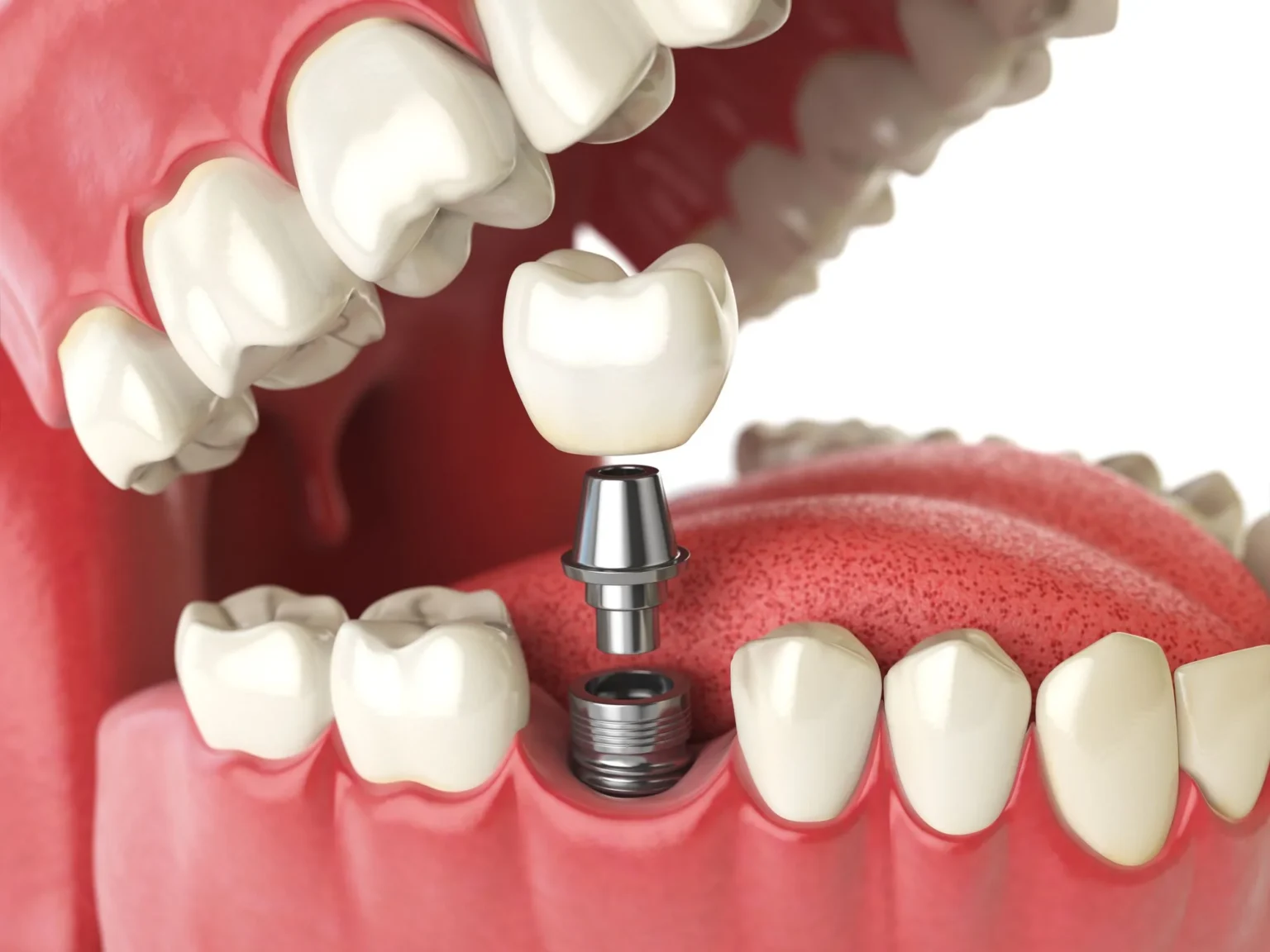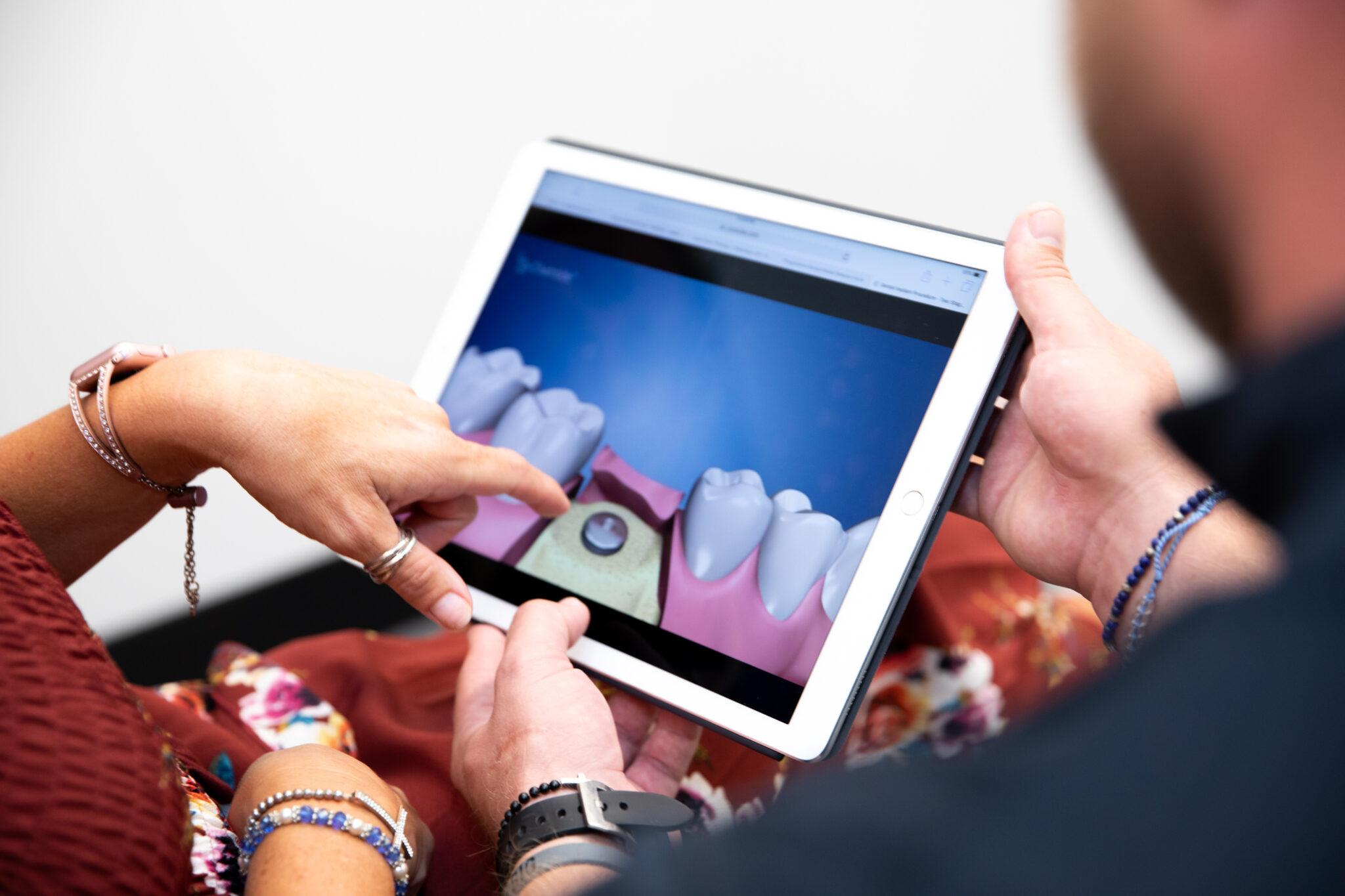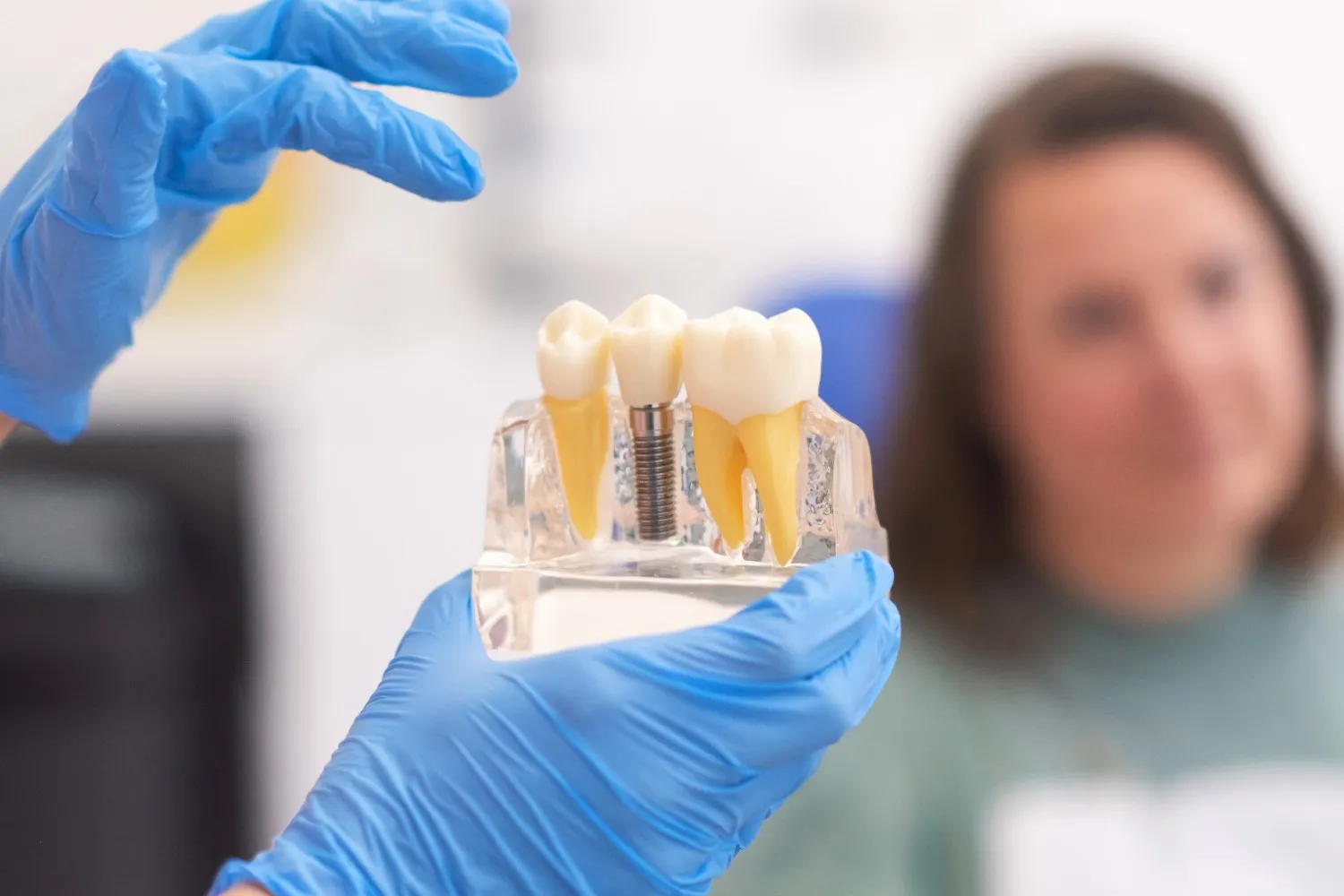
Dental implants are one of the most reliable solutions for replacing missing teeth, but successful implant treatment depends on more than simply placing an implant into the jawbone. The health and condition of the gums and surrounding soft tissues also play an important role in creating a stable foundation for long term results.
For some patients, the gums may be too thin, receded, or lacking sufficient soft tissue around the planned implant site. In these situations, a dentist or implant specialist may recommend gum grafting before dental implants. The purpose is not simply to improve appearance. Gum grafting can help create healthier and more supportive tissue around the future implant.
Modern dentistry has also introduced a variety of advanced gum grafting techniques that allow specialists to customize treatment according to the patient’s anatomy, gum condition, and implant goals.
Open Implant Chair helps patients connect with OIC certified implant providers who can evaluate their individual needs and determine whether additional procedures are appropriate before implant treatment.
What Is Gum Grafting?
Gum grafting is a procedure designed to add or restore soft tissue around teeth or future implant sites. It may be recommended when a patient has insufficient gum tissue, exposed tooth roots, or significant gum recession.
During a gum graft surgery, tissue may be taken from another area of the patient’s mouth or obtained through an appropriate tissue source, depending on the treatment plan. The tissue is then placed where additional coverage or thickness is required.
One commonly used approach is a connective tissue graft. This technique can help increase the thickness of the gum tissue and provide additional coverage in areas affected by recession.
The exact technique depends on the patient’s condition. A specialist will evaluate the gum thickness, recession, bone structure, implant location, smile aesthetics, and overall oral health before recommending treatment.
Why Gum Health Matters Before Dental Implants
Dental implants need a healthy environment in which to heal and function. While the implant itself is placed into the jawbone, the surrounding gum tissue provides an important protective barrier.
Healthy soft tissue can help protect the underlying structures around the implant and contribute to a stable, natural looking result.
Patients with untreated gum disease, significant inflammation, or inadequate soft tissue may require periodontal treatment or other procedures before implant placement. Open Implant Chair similarly emphasizes that gum health is an important part of dental implant success and that underlying oral health concerns may need to be addressed before surgery.
This is why implant preparation should involve more than checking whether enough bone is available.
When Is Gum Grafting Necessary Before Dental Implants?
Not every patient needs gum grafting before receiving an implant. The procedure is generally considered when the soft tissue surrounding the planned implant site does not provide adequate thickness, coverage, or stability.
Some common situations include:
1. Receding Gums
Receding gums can expose more of the tooth or underlying root area and may reduce the amount of protective soft tissue available around an implant site.
If recession is significant, a specialist may recommend improving the gum tissue before implant placement.
2. Thin Gum Tissue
Some people naturally have thin gum tissue. Thin tissue can be more susceptible to recession and may make it harder to achieve the desired aesthetic result around an implant.
A soft tissue graft may be considered to increase tissue thickness before or during implant treatment.
3. Insufficient Soft Tissue Around the Implant Site
After tooth loss, changes can occur in both bone and gum tissue. The shape and thickness of the tissues may change over time.
If the implant area does not have adequate soft tissue, grafting may be recommended as part of the overall treatment plan.
4. Previous Gum Disease
Patients with a history of periodontal disease may have experienced changes in their gum and supporting tissues. Active gum disease should generally be addressed before moving forward with implant placement.
The goal is to establish a healthier oral environment before beginning implant treatment.
5. Aesthetic Concerns
Gum tissue can have a major influence on the appearance of an implant restoration, especially in areas that are highly visible when smiling.
For patients concerned about the appearance of their future restoration, improving soft tissue thickness may be part of the overall aesthetic treatment plan.
Gum Grafting Advancements and Modern Treatment Planning
The field of periodontal and implant dentistry has continued to evolve. Today’s treatment planning can involve detailed clinical examinations, digital imaging, customized surgical approaches, and careful assessment of both hard and soft tissues.
These gum grafting advancements allow specialists to evaluate the specific characteristics of a patient’s gum tissue rather than using the same approach for every patient.
Modern treatment planning may consider:
- Gum thickness
- Gum recession
- Bone volume
- Implant position
- Smile aesthetics
- Existing periodontal conditions
- Bite forces
- Long term maintenance
- Overall treatment goals
The purpose is to determine whether soft tissue augmentation is actually necessary and, if it is, when it should be performed.
What Is a Soft Tissue Graft?
A soft tissue graft is a procedure used to increase or improve the amount of gum tissue in a particular area.
One of the commonly discussed options is a connective tissue graft. In this approach, connective tissue is used to increase tissue thickness or improve coverage around the affected area.
The procedure may be useful for patients who have thin gums or recession and are preparing for restorative or implant treatment.
However, a soft tissue graft is not automatically necessary simply because someone wants dental implants. The decision depends on the patient’s anatomy and clinical findings.
A qualified specialist should determine whether grafting would provide a meaningful benefit.
Connective Tissue Graft and Implant Preparation
A connective tissue graft may be recommended when additional gum thickness is needed around an implant site.
For example, a patient may have adequate jawbone but very thin gum tissue. In that situation, focusing only on the bone would not provide a complete picture of implant preparation.
The specialist may first improve the soft tissue condition and then proceed with implant placement once the area has healed sufficiently.
In other cases, soft tissue management may be coordinated with implant placement depending on the patient’s anatomy and treatment plan.
This individualized approach is important because implant treatment is not identical for every patient.
Does Everyone With Receding Gums Need Gum Grafting?
No. Receding gums do not automatically mean that a patient needs gum grafting before dental implants.
The severity and location of recession matter. The specialist will also consider the thickness of the surrounding tissue, bone support, implant position, aesthetic requirements, and the patient’s overall oral health.
Some patients with mild recession may not require grafting at all. Others may benefit from treatment before moving forward with implants.
A professional examination is the only reliable way to determine whether grafting is necessary.
What Happens During Gum Graft Surgery?
The exact process depends on the selected grafting technique.
Generally, the specialist begins by examining the affected area and determining how much tissue is needed. If a patient’s own tissue is used, an appropriate donor area may be selected.
The graft is carefully positioned in the treatment area and secured so the tissue can heal properly.
Patients receive specific instructions regarding eating, brushing, cleaning the surgical area, and protecting the treated tissue during recovery.
Healing times can vary. Your specialist will provide personalized instructions and schedule follow up visits to monitor the healing process.
Gum Grafting Before or After Dental Implants?
The timing of gum grafting is not the same for every patient.
For some patients, grafting may be performed before implant placement. This allows the soft tissue to heal and mature before the implant is placed.
For others, soft tissue augmentation may be performed at the time of implant surgery or as part of a staged treatment plan.
The appropriate timing depends on:
- The amount of gum recession
- Soft tissue thickness
- Bone condition
- Implant position
- Aesthetic requirements
- Overall oral health
- Type of implant restoration
A comprehensive consultation helps determine the safest and most predictable sequence.
How Gum Grafting Supports Long Term Implant Health
The objective of gum grafting is not simply to make the gums look better.
Healthy and adequate soft tissue can contribute to a more stable environment around an implant. Patients also need to maintain excellent oral hygiene after treatment because implants still require regular professional monitoring and daily care.
Open Implant Chair explains that long term implant success involves healthy gums, proper planning, professional maintenance, and good daily hygiene.
This means gum grafting, when clinically recommended, should be viewed as one component of a broader implant treatment strategy.
The Importance of Comprehensive Implant Planning
Before implant treatment begins, your provider may evaluate much more than the missing tooth.
A comprehensive assessment can include:
Gum Health
The specialist checks for inflammation, recession, periodontal disease, and soft tissue deficiencies.
Bone Support
Imaging can help determine whether there is sufficient bone for implant placement or whether additional procedures may be needed.
Implant Position
The ideal implant position depends on anatomy, restoration design, function, and aesthetics.
Bite and Function
Bite forces can influence the long term performance of implant restorations.
Overall Health
Your medical and dental history can influence healing and treatment planning.
Open Implant Chair highlights the importance of comprehensive assessment and digital treatment planning before implant treatment. Its certified providers are evaluated for qualifications, full arch experience, technology, and patient care standards.
Can Gum Grafting Be Avoided?
In some cases, yes.
Not every patient requires gum grafting. If the existing soft tissue is healthy and sufficiently thick, the specialist may determine that no grafting is necessary.
Modern implant planning can also help specialists evaluate available anatomy and choose an appropriate treatment approach.
For certain full arch cases, treatment may be planned around the available anatomy rather than attempting to restore every individual area through separate procedures. Open Implant Chair’s full arch implant services focus on connecting patients with specialists who can evaluate their anatomy and determine the appropriate implant solution.
The important point is that patients should not assume they need or do not need grafting based only on online information.
What Should You Ask Your Implant Specialist?
If your specialist recommends gum grafting before dental implants, consider asking:
- Why do I need a gum graft?
- How much gum tissue do I currently have?
- Which grafting technique is recommended for my case?
- Will the graft be performed before or during implant placement?
- How long will the graft need to heal?
- Will grafting affect my overall treatment timeline?
- Are there alternatives to grafting?
- How will the procedure affect the appearance of my final restoration?
- What should I expect during recovery?
- How will my gum health be monitored after implant placement?
Understanding the reason behind a recommended procedure can help you make a more informed decision.
How Open Implant Chair Can Help
Finding the right implant specialist can be challenging, particularly when your treatment involves additional procedures such as soft tissue augmentation, bone grafting, or complex implant planning.
Open Implant Chair is not a dental clinic and does not perform gum graft surgery or dental implant procedures. Instead, it connects patients with OIC certified implant specialists who can evaluate their individual needs and recommend an appropriate treatment plan.
If you are unsure whether you need gum grafting before dental implants, beginning with a professional consultation can provide clarity about your gum health, bone support, implant options, treatment timeline, and expected costs.
Patients considering full arch treatment can also explore Open Implant Chair’s full arch dental implant services to learn more about available implant solutions.
Conclusion
Gum grafting is not required before every dental implant procedure. However, it can be an important part of implant preparation for patients with receding gums, thin soft tissue, insufficient tissue coverage, or specific aesthetic concerns.
Modern gum grafting advancements and individualized treatment planning allow specialists to determine whether a soft tissue graft, connective tissue graft, or another approach is appropriate for a particular patient.
The most important step is a comprehensive evaluation. Your implant specialist can assess your gums, bone, bite, overall oral health, and treatment goals before recommending a specific sequence.
If you are considering dental implants and are concerned about receding gums or inadequate soft tissue, Open Implant Chair can help you connect with an OIC certified implant provider for a personalized consultation.
Take the Next Step Toward Implant Treatment
If you are considering dental implants but have concerns about gum recession, thin gums, or the need for grafting, do not guess about your treatment requirements.
Start with a professional consultation and learn what your individual anatomy requires.
Contact Open Implant Chair today to connect with an OIC certified implant specialist and take the next step toward a confident, healthy smile.
Frequently Asked Questions
1. Is gum grafting always necessary before dental implants?
No. Gum grafting is only recommended when a patient has insufficient or compromised soft tissue, significant recession, thin gums, or specific clinical or aesthetic requirements. A specialist must evaluate the individual case before making a recommendation.
2. What type of gum graft is commonly used before implants?
A connective tissue graft is one option that may be used to increase the thickness of gum tissue. The appropriate technique depends on the patient’s gum condition, anatomy, treatment goals, and implant location.
3. Can receding gums prevent dental implants?
Receding gums do not automatically prevent dental implants. However, significant recession or inadequate soft tissue may require treatment before implant placement. Your specialist will determine whether grafting or another procedure is appropriate.
4. How long after gum grafting can I get dental implants?
The timeline varies from patient to patient. The gum tissue needs adequate time to heal before the next stage of treatment. Your implant specialist will determine when the area is ready based on healing and the overall treatment plan.
5. How can I find the right implant specialist for my treatment?
Open Implant Chair can help connect you with an OIC certified implant specialist based on your treatment needs and location. A consultation allows the provider to evaluate your gums, bone, oral health, and implant requirements before recommending treatment.