Dental implants have become one of the most trusted solutions for replacing missing teeth, but patients today have more material choices than ever before. While titanium has traditionally been the most widely used implant material, zirconia dental implants have gained attention as a metal free alternative for patients who prioritize aesthetics, biocompatibility, and a natural looking result.
Zirconia is a strong ceramic material that can be used to create dental implants and restorations. For certain patients, zirconia implants may provide an appealing option for replacing missing teeth while supporting comfortable function and an attractive smile.
If you are considering implant treatment, understanding how zirconia implants work, their potential benefits and limitations, and the characteristics of an ideal candidate can help you have a more informed conversation with an implant provider.
What Are Zirconia Dental Implants?
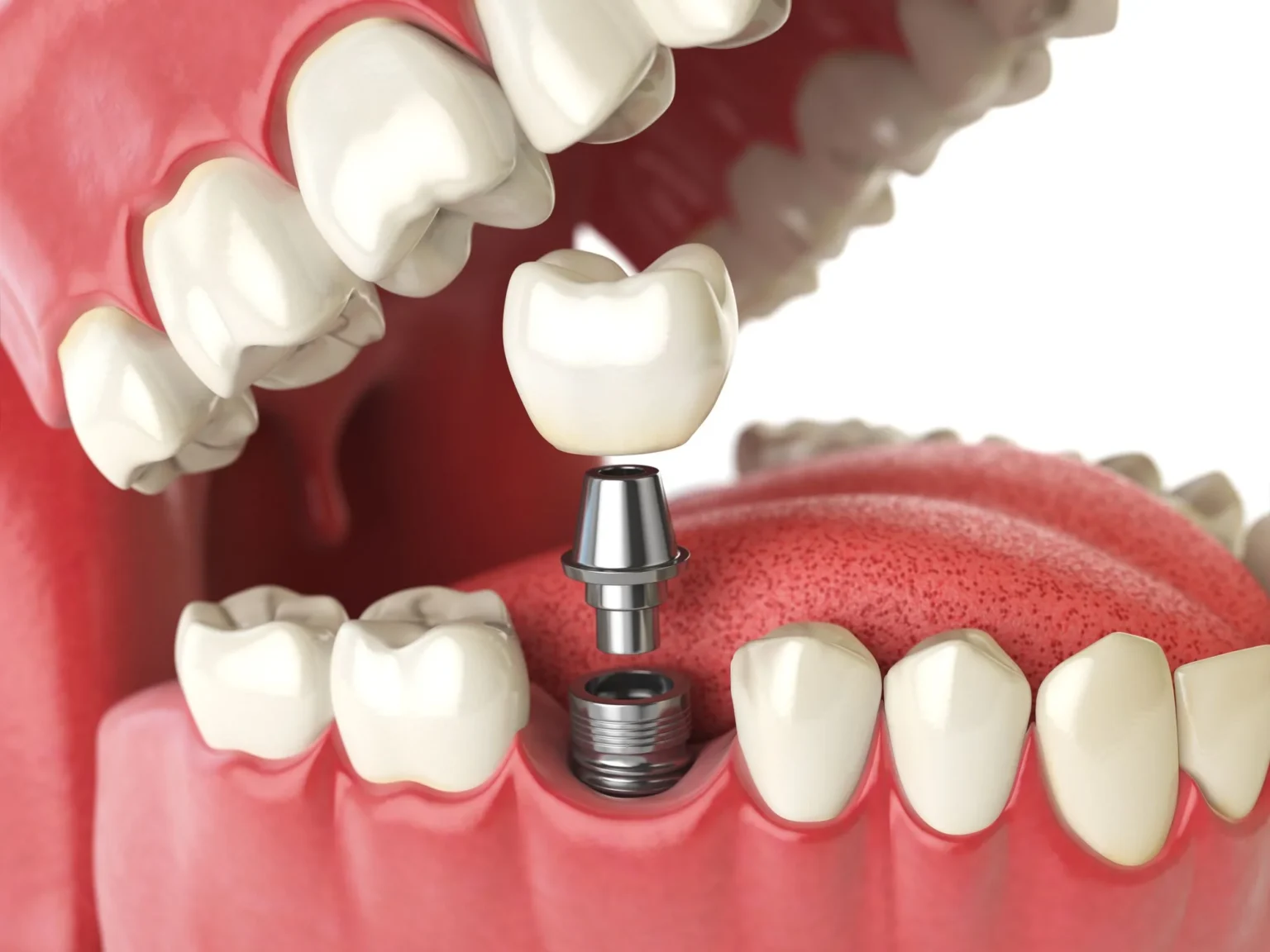
Zirconia dental implants are tooth replacement implants made from zirconium dioxide, a high strength ceramic material. Unlike traditional titanium implants, zirconia implants do not contain metal.
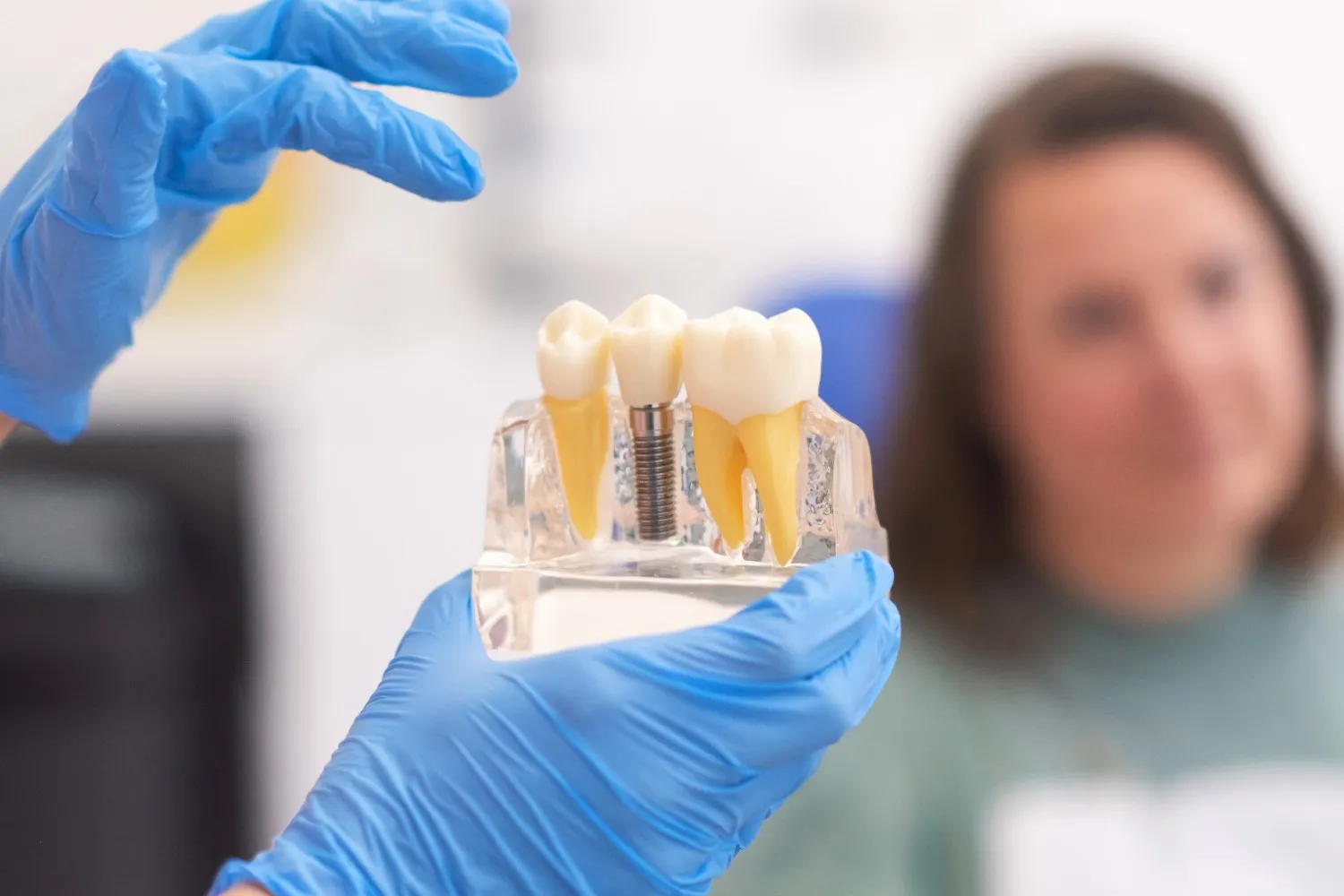
The implant is surgically placed into the jawbone, where the surrounding bone can gradually integrate with the implant surface. Once healing and integration have progressed appropriately, the implant can support a dental restoration such as a crown, bridge, or full arch prosthesis.
Zirconia is naturally white or tooth colored, which can make it particularly attractive in situations where aesthetics are an important consideration.
For patients interested in full arch treatment, Open Implant Chair offers access to OIC certified providers and full arch implant solutions that include 100% zirconia restorations.
You can learn more about available treatment options through the Open Implant Chair dental implant services.
How Zirconia Implants Work
Understanding how zirconia implants work starts with the same basic concept behind other dental implants.
1. Initial Consultation and Evaluation
Treatment begins with a comprehensive evaluation. Your implant provider may review your dental history, examine your gums and remaining teeth, and use diagnostic imaging to assess the condition of your jawbone.
Bone volume and density are important because an implant needs adequate support to remain stable during healing and after restoration.
Your provider will also consider your overall oral health, treatment goals, bite, aesthetic expectations, and whether zirconia or titanium is more appropriate for your individual situation.
2. Treatment Planning
Once your oral health has been evaluated, your provider develops an individualized treatment plan.
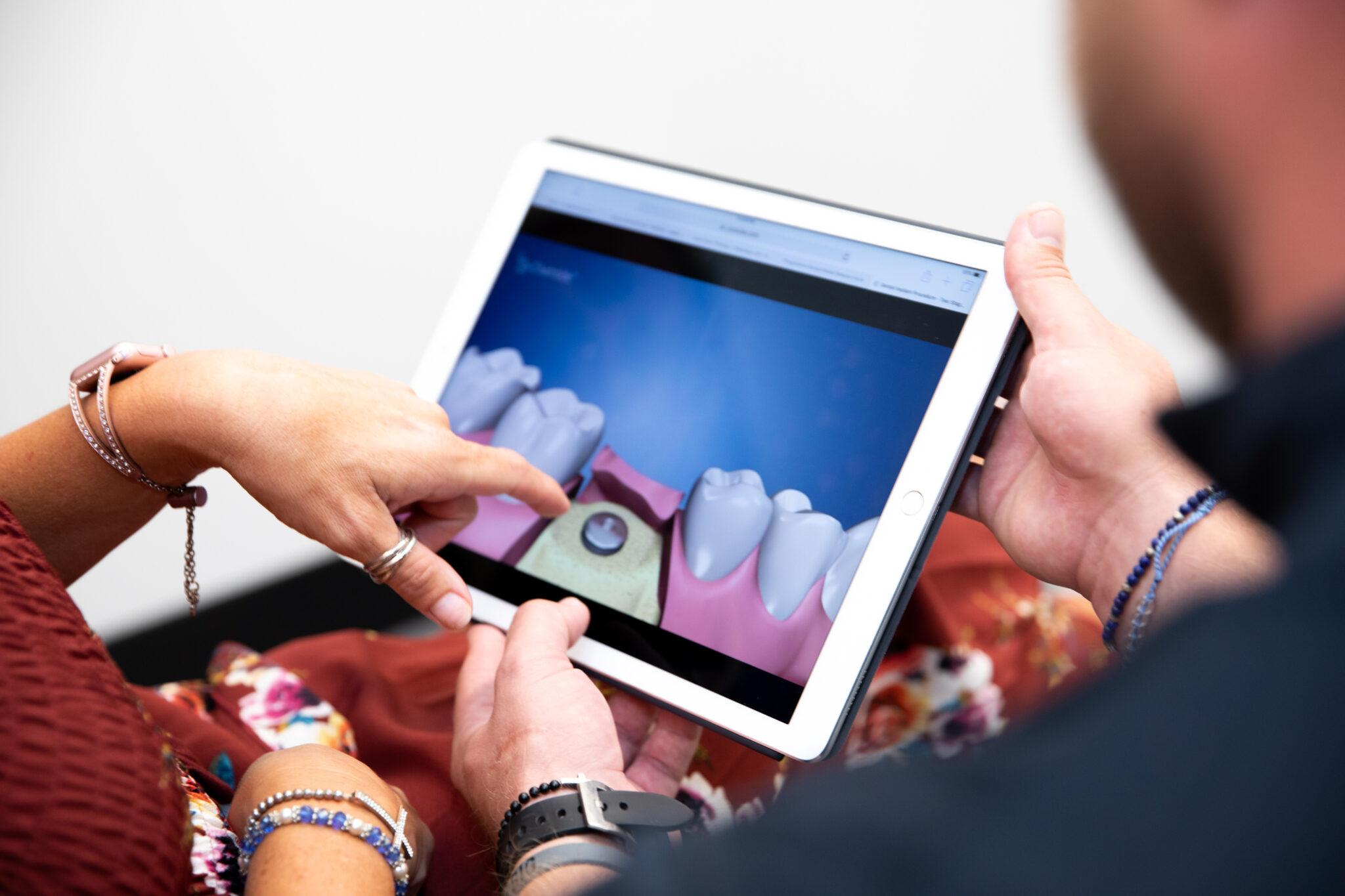
The position, size, and design of the implant must be carefully planned. Digital imaging and 3D treatment planning can help the provider evaluate bone anatomy and determine an appropriate implant position.
This planning stage is particularly important because successful implant treatment depends on more than simply placing an implant into the jaw.
3. Implant Placement
During the surgical stage, the zirconia implant is placed into the jawbone at a carefully planned location.
The implant acts as an artificial tooth root. Over time, the surrounding bone can integrate with the implant through a process called osseointegration.
The exact healing period varies between patients and depends on factors such as bone quality, implant location, overall health, and the complexity of treatment.
4. Healing and Bone Integration
During healing, the implant needs to remain sufficiently stable while the surrounding bone integrates with it.
Patients must follow their provider’s post treatment instructions carefully during this period. Good oral hygiene, appropriate diet recommendations, and regular follow up appointments can all contribute to proper healing.
5. Attaching the Restoration
After adequate healing, the implant can be restored.
Depending on the treatment plan, the final restoration may involve a crown, bridge, or full arch prosthesis. In a single tooth replacement, a custom restoration may be designed to match the appearance of neighboring teeth.
This is where zirconia implant crowns can become especially relevant. A zirconia crown can provide a strong and natural looking restoration while maintaining the metal free concept of the treatment.
What Are Zirconia Implant Crowns?
Zirconia implant crowns are dental crowns made from zirconia that are attached to an implant to replace the visible portion of a missing tooth.
Zirconia is known for its strength and tooth colored appearance. It can be carefully designed to complement the surrounding teeth and create a natural looking result.
For patients concerned about the appearance of metal around the gumline, zirconia can be an appealing material.
However, the choice of crown material should not be based only on appearance. Your provider will consider your bite, implant position, tooth location, functional requirements, aesthetic goals, and long term treatment needs before recommending a restoration.
Zirconia Implants vs Titanium Implants
One of the most common questions patients ask is about titanium vs zirconia implant treatment.
Titanium has a long history of use in implant dentistry and remains a widely used implant material. Zirconia provides a ceramic alternative for patients who prefer a metal free approach.
Material
Titanium implants are made from a biocompatible metal alloy, while zirconia implants are made from high strength ceramic material.
Appearance
Zirconia is naturally white, which can offer an aesthetic advantage in certain situations. Titanium is metallic in appearance, although much of the implant remains beneath the gum and bone.
Biocompatibility
Both materials are designed to be compatible with the body when appropriately used. However, individual responses and treatment outcomes can vary.
Clinical Considerations
The most suitable implant material depends on the patient’s anatomy, oral health, aesthetic requirements, restoration design, and provider experience.
Therefore, the question is not simply whether zirconia is better than titanium. Instead, the goal should be determining which material is most appropriate for the individual patient.
Potential Benefits of Zirconia Dental Implants
There are several reasons patients may consider ceramic implants.
Metal Free Treatment
For patients who prefer to avoid metal in their dental treatment, zirconia provides a ceramic alternative.
Natural Looking Appearance
The white color of zirconia can provide an aesthetic benefit, particularly in areas where gum appearance and tooth color are important.
Potential Gumline Aesthetic Benefits
Some patients are particularly concerned about the appearance of the gumline around an implant restoration. Zirconia’s tooth colored appearance may help create a more natural visual transition in appropriate cases.
Strong and Durable Material
Zirconia is a strong ceramic material that can be used in demanding dental restorations. However, durability depends on proper treatment planning, material selection, implant placement, bite forces, and ongoing maintenance.
Suitable for Certain Full Arch Solutions
Zirconia can also be used in full arch implant restorations. Open Implant Chair currently lists full arch solutions featuring 100% zirconia restorations through its provider network.
Patients considering full arch treatment can also explore All on 4 dental implants as one potential treatment approach.
Zirconia Implants and Gum Health
The relationship between zirconia implants gum health is an important consideration for patients researching ceramic implant options.
Healthy gums are essential around any dental implant, regardless of whether the implant is made from zirconia or titanium.
Patients should understand that simply choosing zirconia does not guarantee perfect gum health. Proper implant positioning, good oral hygiene, regular professional maintenance, and appropriate treatment planning remain important.
Plaque accumulation around an implant can contribute to inflammation and potentially lead to complications. Patients should therefore maintain daily oral hygiene and attend recommended follow up appointments.
If you experience persistent bleeding, swelling, discomfort, bad taste, or changes around an implant, you should contact your dental provider for evaluation.
Are There Risks Associated With Zirconia Implants?
Like every dental treatment, zirconia implants have potential risks and limitations.
Implant Failure
An implant may fail to integrate properly with the jawbone. Several factors can influence implant success, including bone quality, surgical technique, oral hygiene, smoking, systemic health, and treatment planning.
Fracture or Mechanical Complications
Although zirconia is strong, ceramic materials can have different mechanical characteristics from titanium. Appropriate implant design and case selection are therefore important.
Gum Inflammation
Poor oral hygiene can contribute to inflammation around implants. This is why ongoing maintenance remains essential.
Bone Loss
Bone loss around an implant can occur for several reasons and should be evaluated promptly if detected.
Aesthetic Concerns
Although zirconia offers excellent aesthetic potential, the final appearance depends on implant placement, gum contours, restoration design, tooth proportions, and the expertise of the dental team.
Who Is an Ideal Candidate for Zirconia Dental Implants?
There is no single profile that guarantees someone is an ideal candidate.
However, zirconia implants may be worth discussing with an implant provider if you:
- Have one or more missing teeth.
- Prefer a metal free implant option.
- Place a high priority on aesthetics.
- Have healthy or manageable gum tissue.
- Have adequate bone support for implant placement.
- Are committed to maintaining excellent oral hygiene.
- Understand the importance of regular dental follow up.
- Want to explore ceramic implant alternatives.
Patients with bone loss are not automatically excluded from implant treatment. Depending on the situation, additional procedures or alternative treatment approaches may be considered.
For patients who have lost multiple teeth or are dealing with failing teeth, full mouth dental implant solutions may also be worth discussing with a qualified provider.
Who May Not Be an Ideal Candidate?
Zirconia implants may not be appropriate for every patient.
People with uncontrolled oral infections, severe untreated gum disease, inadequate bone support, certain uncontrolled health conditions, or poor oral hygiene may require additional treatment before implants can be considered.
Smoking can also affect healing and implant outcomes, so patients who smoke should discuss this openly with their provider.
The important point is that candidacy cannot be determined from an online article alone. A professional examination and appropriate diagnostic imaging are necessary before a treatment recommendation can be made.
What Does the Zirconia Implant Process Look Like?
Although every treatment plan is different, the process commonly involves:
Consultation
Your provider evaluates your oral health, discusses your goals, and determines whether implant treatment is appropriate.
Diagnostic Imaging
Imaging may be used to evaluate bone structure, implant positioning, and other anatomical considerations.
Treatment Planning
The provider determines the appropriate implant position, restoration design, and overall treatment sequence.
Implant Placement
The zirconia implant is placed surgically into the jawbone.
Healing
The implant is given time to integrate with the surrounding bone.
Restoration
Once healing is adequate, the final crown, bridge, or full arch restoration is attached according to the treatment plan.
Patients looking for faster treatment options should understand that immediate loading is not suitable for everyone. Open Implant Chair’s same day dental implants service explains that eligibility depends on individual oral health and requires detailed evaluation and diagnostic assessment.
How to Maintain Zirconia Dental Implants
Long term implant success depends heavily on maintenance.
Patients should:
- Brush their teeth thoroughly twice each day.
- Clean between teeth and around implant restorations.
- Follow their provider’s recommendations for specialized cleaning tools.
- Attend regular dental examinations.
- Avoid using excessive force on the restoration.
- Report unusual swelling, bleeding, discomfort, or movement promptly.
- Follow all post treatment instructions.
Even when an implant feels completely stable, regular professional monitoring is important.
Is Zirconia Better Than Titanium?
There is no universal answer.
The choice between zirconia and titanium depends on individual anatomy, aesthetic goals, oral health, implant position, restoration requirements, and provider experience.
Zirconia may be especially attractive to patients seeking a metal free solution and a highly aesthetic restoration. Titanium, meanwhile, has an extensive history of clinical use and remains an established implant material.
Rather than choosing based only on marketing claims, patients should discuss both options with an experienced implant provider who can evaluate their specific needs.
Why Professional Treatment Planning Matters
The material of an implant is only one part of successful treatment.
The implant must be appropriately selected, positioned, restored, and maintained. The surrounding bone and gum tissue also need to be considered.
This is why a comprehensive consultation is so important.
Open Implant Chair helps patients connect with OIC certified implant providers who can evaluate their needs, explain available treatment options, and provide information about treatment costs and financing before patients commit to care.
If you are considering zirconia implants, you can contact Open Implant Chair for a dental implant consultation and begin the provider matching process.
Final Thoughts
Zirconia dental implants offer patients an alternative to traditional titanium implants, particularly for those interested in metal free treatment and natural looking aesthetics. They can be used in carefully selected cases for single tooth replacement and certain full arch restoration approaches.
However, the most important factor is not simply choosing zirconia over titanium. Successful treatment depends on proper diagnosis, careful treatment planning, appropriate implant placement, healthy gums and bone, quality restoration design, and consistent long term maintenance.
If you are considering ceramic implants, speak with an experienced implant provider about your individual circumstances. Open Implant Chair can help connect you with an OIC certified provider who can evaluate your needs and explain which implant solution may be most appropriate for your smile.
Frequently Asked Questions About Zirconia Dental Implants
1. Are zirconia dental implants as strong as titanium implants?
Zirconia is a strong ceramic material and can be used successfully for dental implant treatment in appropriately selected cases. However, zirconia and titanium have different mechanical properties. Your provider should determine which material is appropriate based on your anatomy, treatment goals, implant location, and restoration requirements.
2. Are zirconia implants better for gum health?
Zirconia may offer certain aesthetic and tissue related advantages, but implant material alone does not guarantee healthy gums. Good oral hygiene, appropriate implant positioning, professional maintenance, and regular monitoring are essential for maintaining healthy tissues around any dental implant.
3. Can zirconia implants replace all missing teeth?
Zirconia can be incorporated into full arch implant restorations in appropriate cases. However, the exact implant and restoration design depends on the patient’s bone structure, oral health, treatment goals, and provider’s clinical assessment.
4. What is the difference between zirconia implants and zirconia implant crowns?
A zirconia implant is the component that functions as the artificial tooth root and is placed into the jawbone. A zirconia implant crown is the visible restoration designed to replace the missing tooth above the gumline. They are separate components, although both can be made from zirconia depending on the treatment design.
5. How do I know if zirconia dental implants are right for me?
The best way to determine whether zirconia implants are appropriate is through a professional consultation. Your provider can evaluate your bone, gums, bite, overall oral health, aesthetic goals, and treatment needs before recommending zirconia, titanium, or another restorative approach.