When replacing missing teeth, cost is often one of the biggest factors patients consider. Dentures may seem more affordable initially, while dental implants usually require a larger investment at the beginning. However, the initial price does not tell the complete story. When you consider durability, replacement frequency, maintenance, comfort, and long term oral health, the overall value can be very different.
So, are dental implants more cost effective than dentures long term? For many patients, dental implants can offer better long term value because they are designed to provide durable tooth replacement with proper care.
Implants vs Dentures: Understanding the Initial Cost
Traditional dentures generally have a lower upfront cost than dental implants. This can make them attractive to patients who need to replace several or all missing teeth quickly.
However, dentures are removable appliances and may require adjustments, relining, repairs, or eventual replacement as the mouth changes over time. Dental implants involve a greater initial investment because the treatment includes implant placement and a custom restoration.
The important consideration is not simply what you pay at the beginning, but what you may spend throughout the lifetime of your tooth replacement.
Patients interested in exploring long lasting tooth replacement options can learn more about dental implants through Open Implant Chair.
Implant Lifespan Can Improve Long Term Value
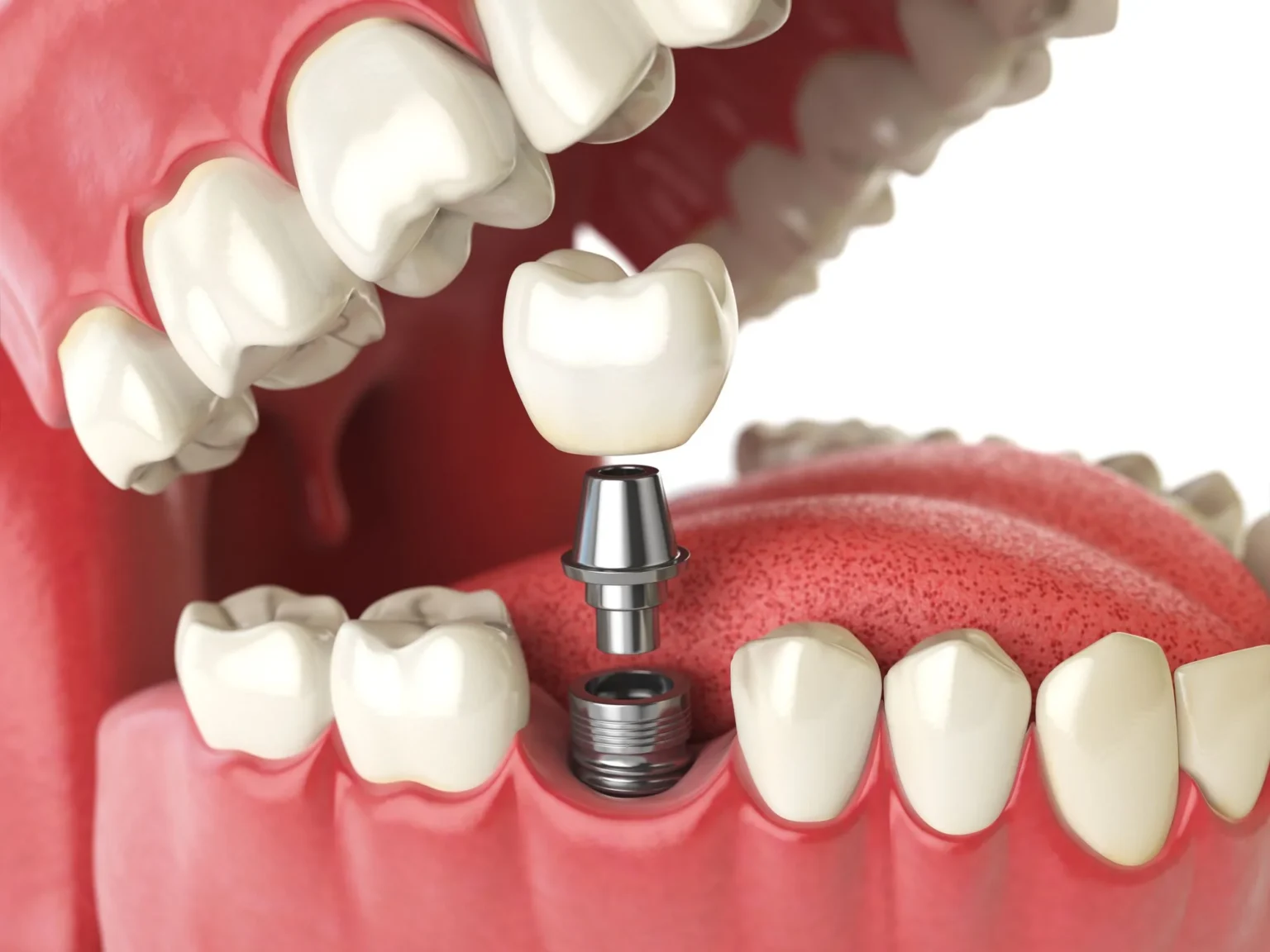
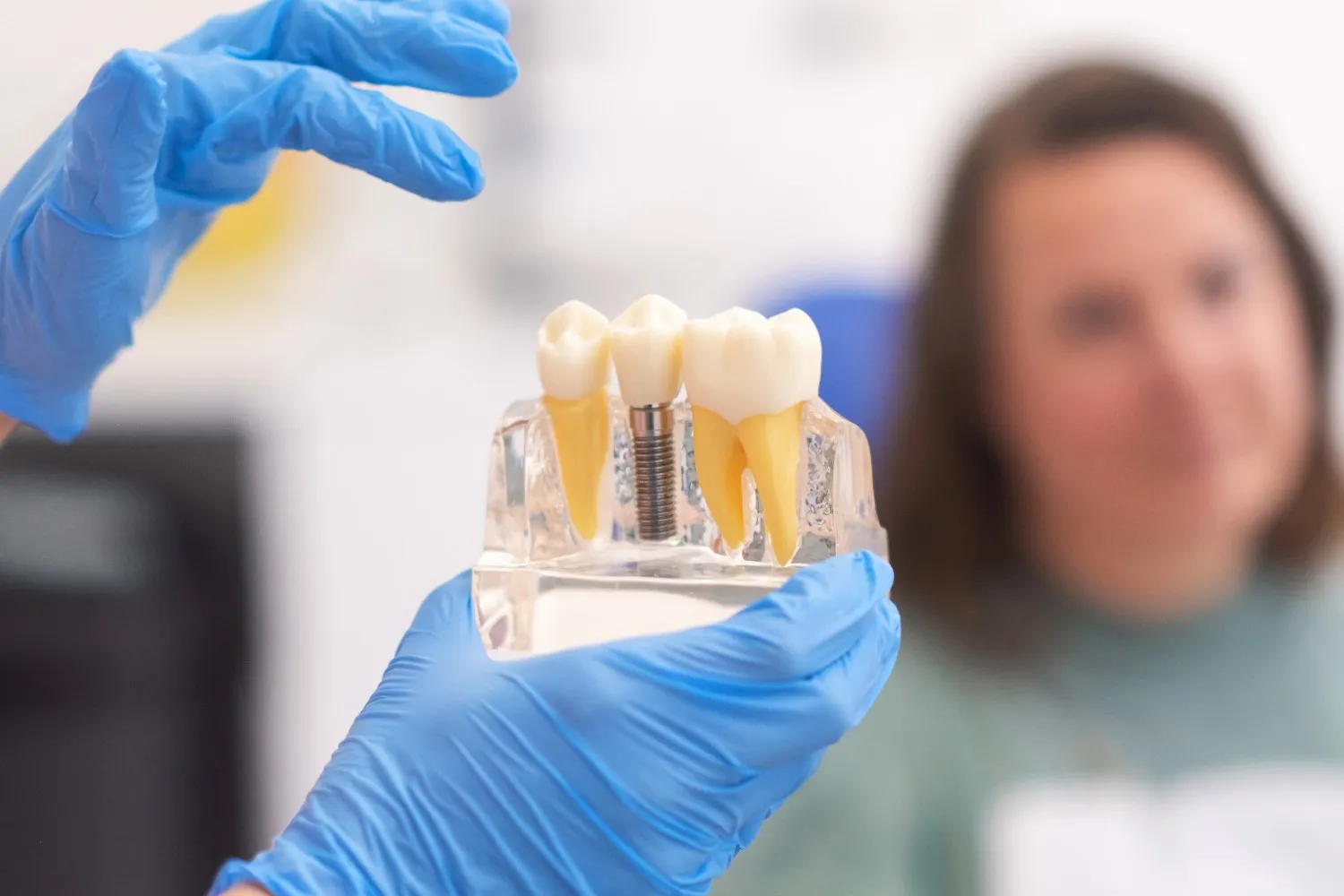
One of the biggest advantages of dental implants is their durability. Dental implants are placed into the jawbone and provide a stable foundation for replacement teeth. With appropriate oral hygiene, professional checkups, and proper maintenance, implants are designed to last for many years and can potentially last for decades.
Dentures generally have a shorter functional lifespan and may need replacement as they become worn or as changes in the gums and jaw affect their fit.
This difference can significantly influence the total cost of tooth replacement over many years. A treatment that costs less initially may become more expensive if it requires repeated replacements.
Maintenance Cost and Replacement Expenses
Maintenance is another important factor when comparing implants vs dentures.
Dentures need regular cleaning and may require adhesives for stability. Over time, changes in the jaw and gums can cause dentures to become loose or uncomfortable. Patients may eventually need adjustments, relining, repairs, or a completely new denture.
Dental implants also require maintenance. Patients should brush and floss regularly and attend professional dental appointments. However, implants do not need to be removed every night, and they are not subject to the same type of routine replacement cycle as traditional dentures.
Open Implant Chair explains that proper oral hygiene and regular dental visits are important for maintaining implant health and supporting long term results.
Dental Implants Can Help Preserve Jawbone
There is also an important oral health consideration beyond direct financial costs. When natural teeth are lost, the jawbone can gradually lose stimulation and decrease in volume. Dental implants act as artificial tooth roots and can help provide stimulation to the surrounding bone.
Traditional dentures replace the visible teeth but do not replace tooth roots. Over time, changes in the jaw can affect denture fit and may contribute to the need for adjustments or replacement.
For patients who have lost most or all of their teeth, full arch implant solutions may provide a fixed alternative to removable dentures. Open Implant Chair offers information about All on 4 dental implants for patients considering full arch treatment.
Comfort, Stability, and Everyday Function
Cost effectiveness should also include the value of everyday comfort and function.
Dentures can sometimes move while eating or speaking, particularly when the fit changes over time. Dental implants are anchored into the jawbone, creating a stable foundation for replacement teeth.
For many patients, this stability can make everyday activities such as eating, speaking, and smiling more comfortable. Implant supported solutions can therefore provide benefits that go beyond the financial comparison.
Is Dental Implant Treatment Right for Everyone?
Although dental implants can offer excellent long term value, they are not automatically the best choice for every patient. Bone condition, gum health, overall health, the number of missing teeth, and individual treatment goals all influence treatment planning.
Patients who currently wear dentures and want a more secure alternative may be candidates for implant supported treatment. Older adults can also explore their options. Open Implant Chair provides dental implants for seniors and connects patients with certified implant providers for personalized evaluation.
Final Thoughts
So, are dental implants more cost effective than dentures long term? The answer can be yes for many patients when the full lifetime value is considered. Although implants generally require a higher initial investment, their durability, stability, reduced need for replacement, and potential oral health benefits can make them a valuable long term tooth replacement option.
Instead of comparing only the upfront price, patients should consider implant lifespan, maintenance cost, future denture replacement, comfort, and overall quality of life. A professional consultation can help determine which option best fits your oral health, goals, and budget.
Frequently Asked Questions
1. Are dental implants more expensive than dentures?
Dental implants usually have a higher initial cost than traditional dentures. However, implants may provide better long term value because they are designed for durability and may require fewer replacements over time.
2. How long can dental implants last?
With proper oral hygiene, routine dental visits, and appropriate maintenance, dental implants can last for many years and potentially decades. The restoration attached to the implant may require maintenance or replacement separately.
3. Do dentures need to be replaced?
Yes. Dentures can wear down, become damaged, or stop fitting properly as the shape of the gums and jaw changes. These changes may lead to adjustments, relining, repairs, or complete denture replacement.
4. Are dental implants easier to maintain than dentures?
Dental implants require regular brushing, flossing, and professional dental care. Unlike removable dentures, implant supported teeth are designed to remain securely in place, which can make everyday use more convenient.
5. Can denture wearers get dental implants?
Many denture wearers can explore dental implant treatment. Suitability depends on factors such as bone support, gum health, overall health, and treatment goals. A professional evaluation is necessary to determine the appropriate option.