Dental implants can be a significant investment, so many patients naturally ask, are dental implants tax deductible? The answer may depend on how the IRS classifies the treatment, your total qualifying healthcare expenses, reimbursements, and whether you itemize deductions.
According to IRS Publication 502, dental treatment can qualify as a medical expense when it is intended to prevent or alleviate dental disease. However, qualifying expenses are subject to specific tax rules and limitations.
Can Dental Implants Qualify as a Medical Expense?
The IRS generally allows certain payments for dental care to be considered medical expenses. Publication 502 specifically states that dental treatment for the prevention and alleviation of dental disease can be included in medical expenses.
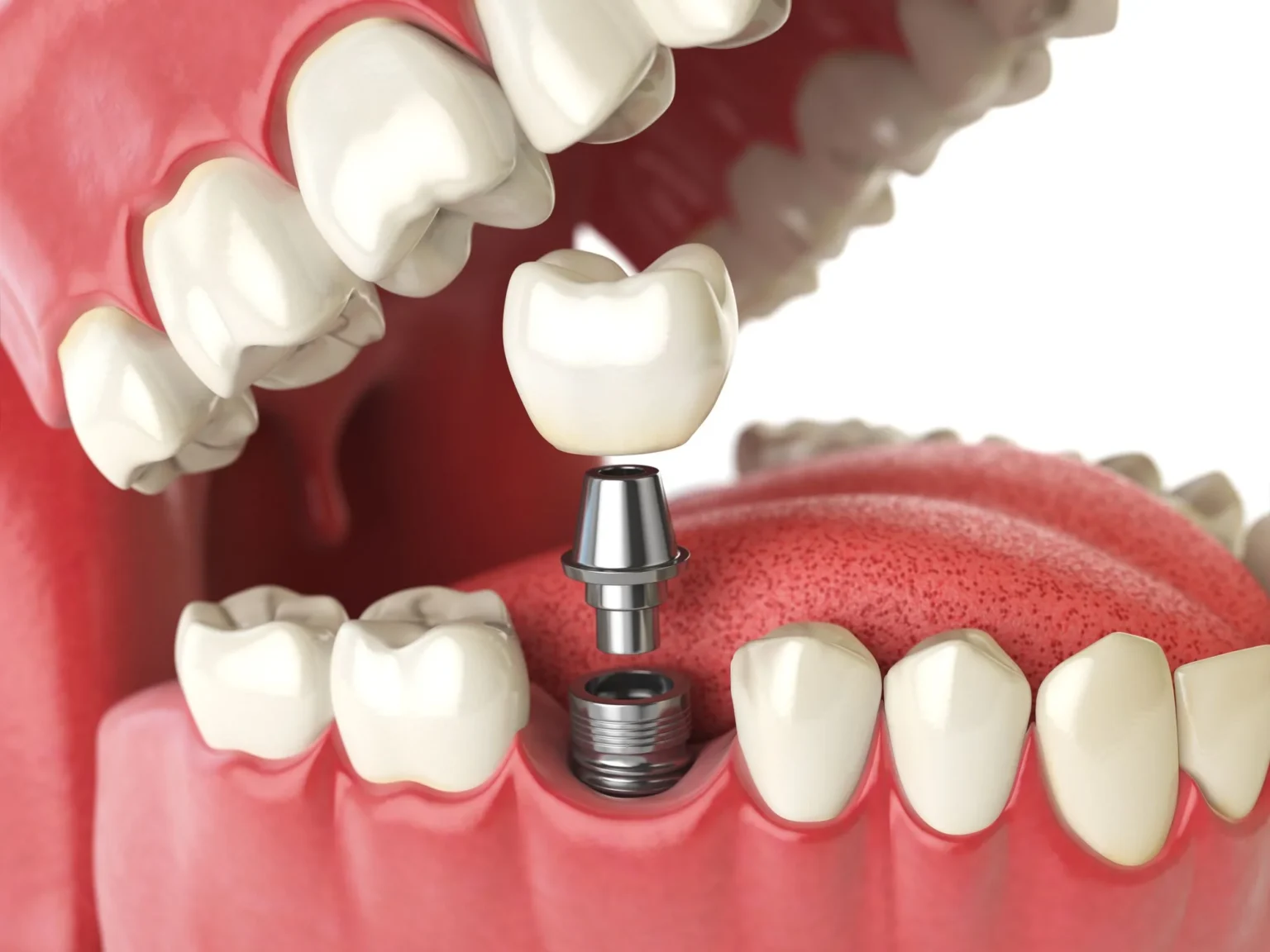
Because dental implants replace missing teeth and can restore oral function, the treatment may potentially qualify when it is considered necessary dental care. However, the exact tax treatment depends on your individual circumstances and documentation.
Patients considering comprehensive tooth replacement can explore full mouth dental implants through Open Implant Chair, which connects patients with OIC certified implant providers.
Understanding the Medical Expense Deduction
One of the most important IRS rules is that qualifying medical and dental expenses are not automatically deductible simply because you paid them.
For taxpayers who itemize deductions, the IRS generally allows a Schedule A deduction only for eligible medical and dental expenses that exceed 7.5% of adjusted gross income, or AGI.
For example, if your AGI is $100,000, the first $7,500 of qualifying medical and dental expenses generally does not qualify for this particular deduction. Only eligible expenses above that threshold may potentially be deductible.
What About Dental Implant Cost?
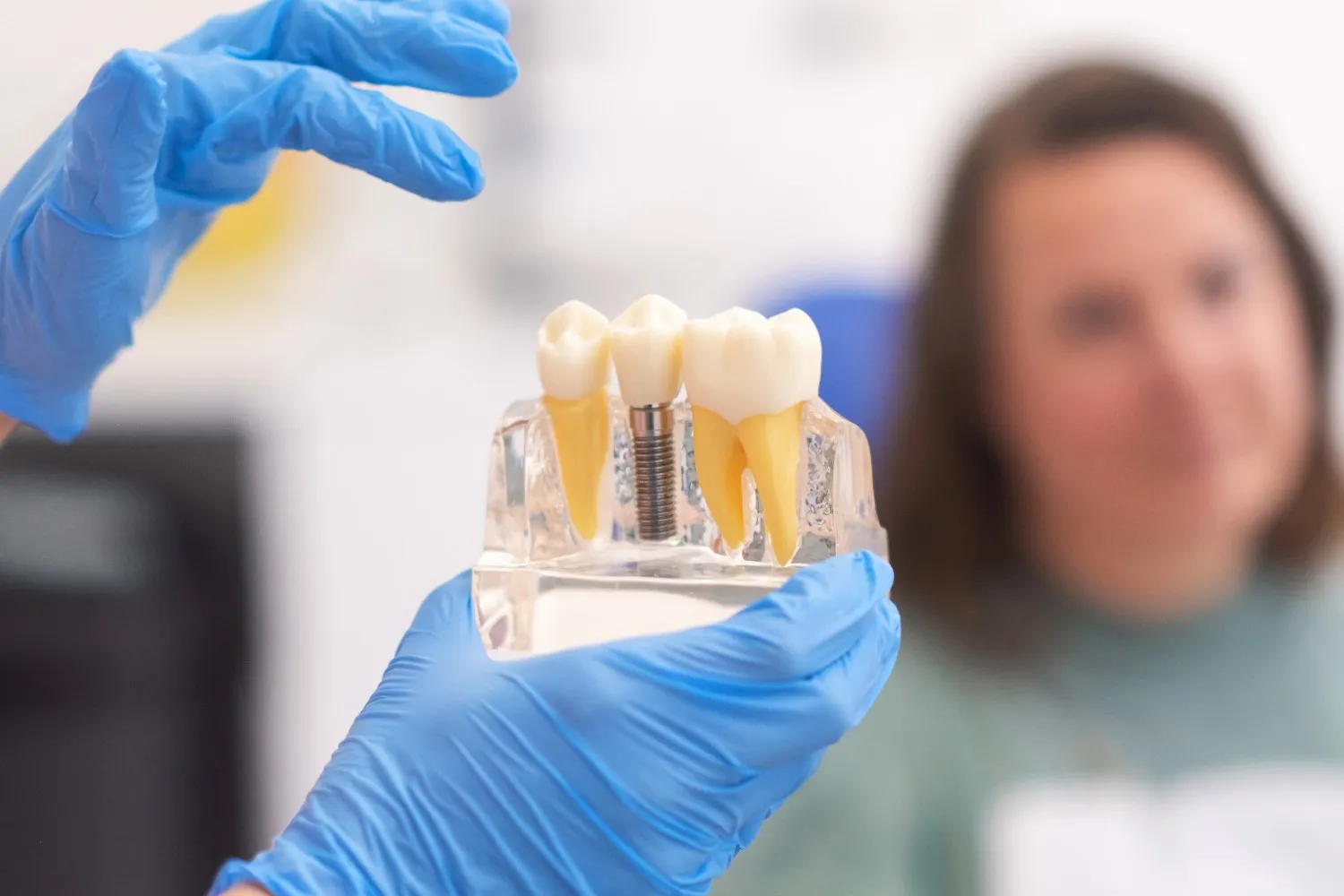
The total dental implant cost may include several components, such as consultations, diagnostic imaging, implant placement, restorations, and other necessary dental procedures. Whether each expense qualifies can depend on its purpose and how it is documented.
It is important to keep detailed invoices, receipts, treatment records, and proof of payment. The IRS advises taxpayers to maintain records supporting medical and dental expenses claimed on their tax returns.
If you are concerned about the upfront expense, you can also review dental implant financing options to understand available payment solutions.
Do Insurance Reimbursements Affect Your Deduction?
Yes. Reimbursements can affect the amount you may claim.
The IRS states that you generally cannot include medical expenses for which you received insurance or other reimbursement. Your eligible expenses must therefore be reduced by applicable reimbursements.
This means you should calculate your unreimbursed qualifying healthcare expenses carefully before determining whether you may have a deduction.
IRS Dental Expenses and Cosmetic Treatment
The purpose of treatment can also matter. IRS rules distinguish between medical care and expenses that are primarily cosmetic or related only to general appearance.
For example, the IRS specifically states that teeth whitening is not an includible medical expense.
Dental implants should therefore be evaluated based on the actual purpose and circumstances of the treatment rather than assuming that every implant related expense automatically qualifies.
What Patients Should Do Before Filing
If you are considering an implant tax deduction, keep all treatment documentation and payment records. You should also determine whether you itemize deductions and calculate your total qualifying medical and dental expenses for the tax year.
Because individual tax situations differ, consider discussing your specific circumstances with a qualified tax professional before claiming a deduction.
At Open Implant Chair, patients can begin by exploring implant treatment options and connecting with an OIC certified provider. Visit the Open Implant Chair services page to learn more about available implant solutions.
Take the Next Step Toward Your New Smile
Understanding the potential tax treatment of dental implants can help you plan for treatment more confidently. If you are exploring your options, Open Implant Chair can connect you with an OIC certified implant provider who can discuss your treatment needs, expected costs, and available options.
Start by exploring dental implant treatment options and take the first step toward a more confident smile.
Frequently Asked Questions
1. Are dental implants tax deductible?
Dental implant expenses may potentially qualify as medical and dental expenses under IRS rules when they meet the applicable requirements. However, the deduction is subject to limitations, including the 7.5% AGI threshold for itemized medical and dental expenses.
2. Can I deduct the full dental implant cost?
Not necessarily. Your deductible amount depends on qualifying expenses, reimbursements, your AGI, and whether you itemize deductions. A tax professional can help determine the amount that may be eligible.
3. What are IRS dental expenses?
IRS dental expenses can include qualifying dental treatment intended to prevent or alleviate dental disease. The IRS specifically lists procedures such as X rays, fillings, braces, extractions, and dentures as examples of includible dental treatment.
4. Do insurance payments affect an implant tax deduction?
Yes. Generally, reimbursed medical and dental expenses cannot also be included in your deduction. The IRS requires applicable reimbursements to be taken into account when calculating eligible expenses.
5. Should I ask a tax professional about dental implants?
Yes. Tax rules can depend on your complete financial and medical expense situation. A qualified tax professional can review your records and explain how the rules apply to your individual tax return.