Many people researching dental treatment wonder, are dental implants considered orthodontics? Although both dental implants and orthodontic treatments can improve a person’s smile and oral function, they serve very different purposes. Understanding the difference between these treatments can help you choose the right care for your specific dental needs.
Dental implants are primarily used to replace missing or severely damaged teeth, while orthodontic treatments focus on correcting the position and alignment of existing teeth and jaws. Let’s explore the differences and clear up some common misconceptions.
Are Dental Implants Considered Orthodontics?
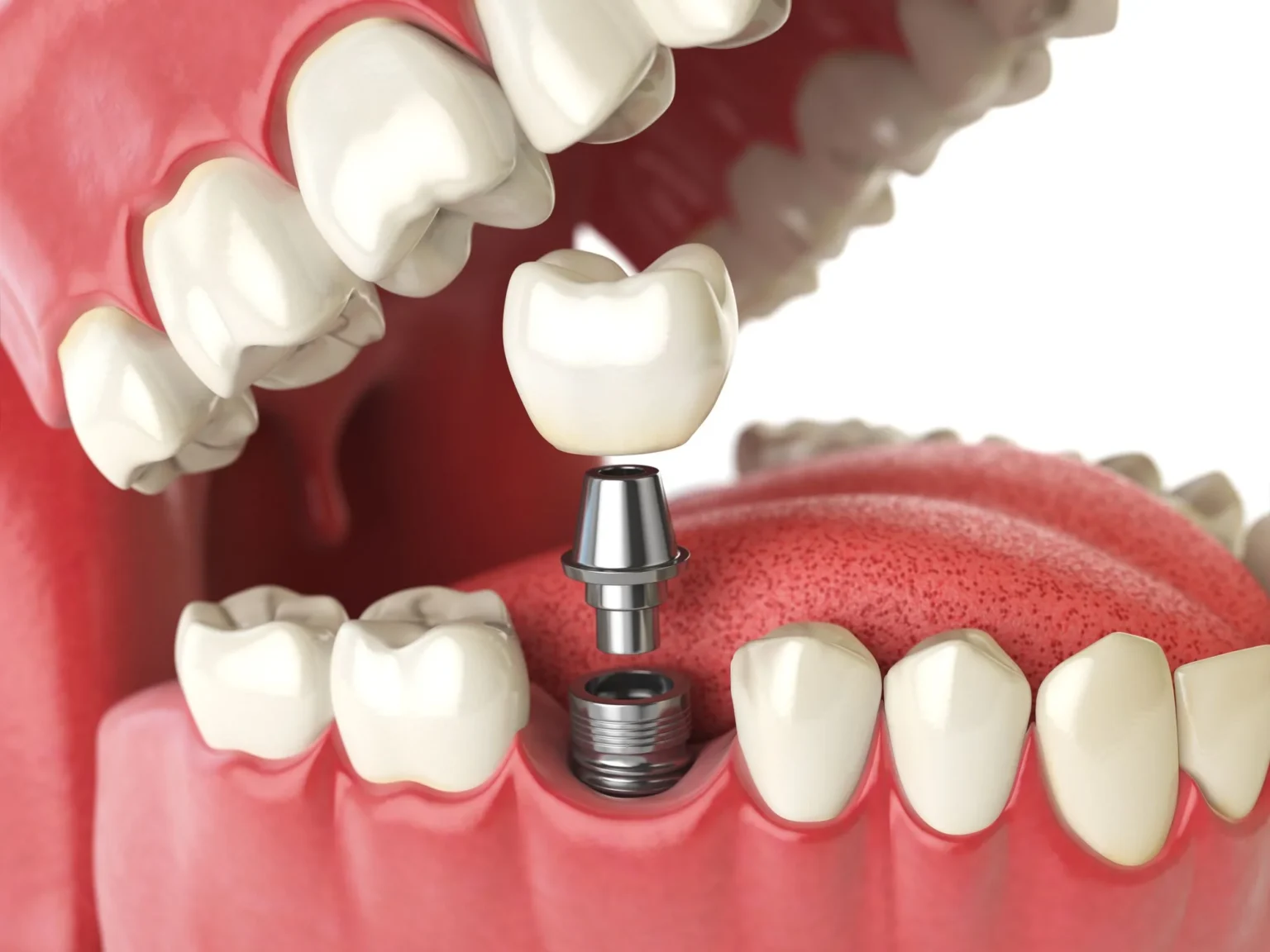
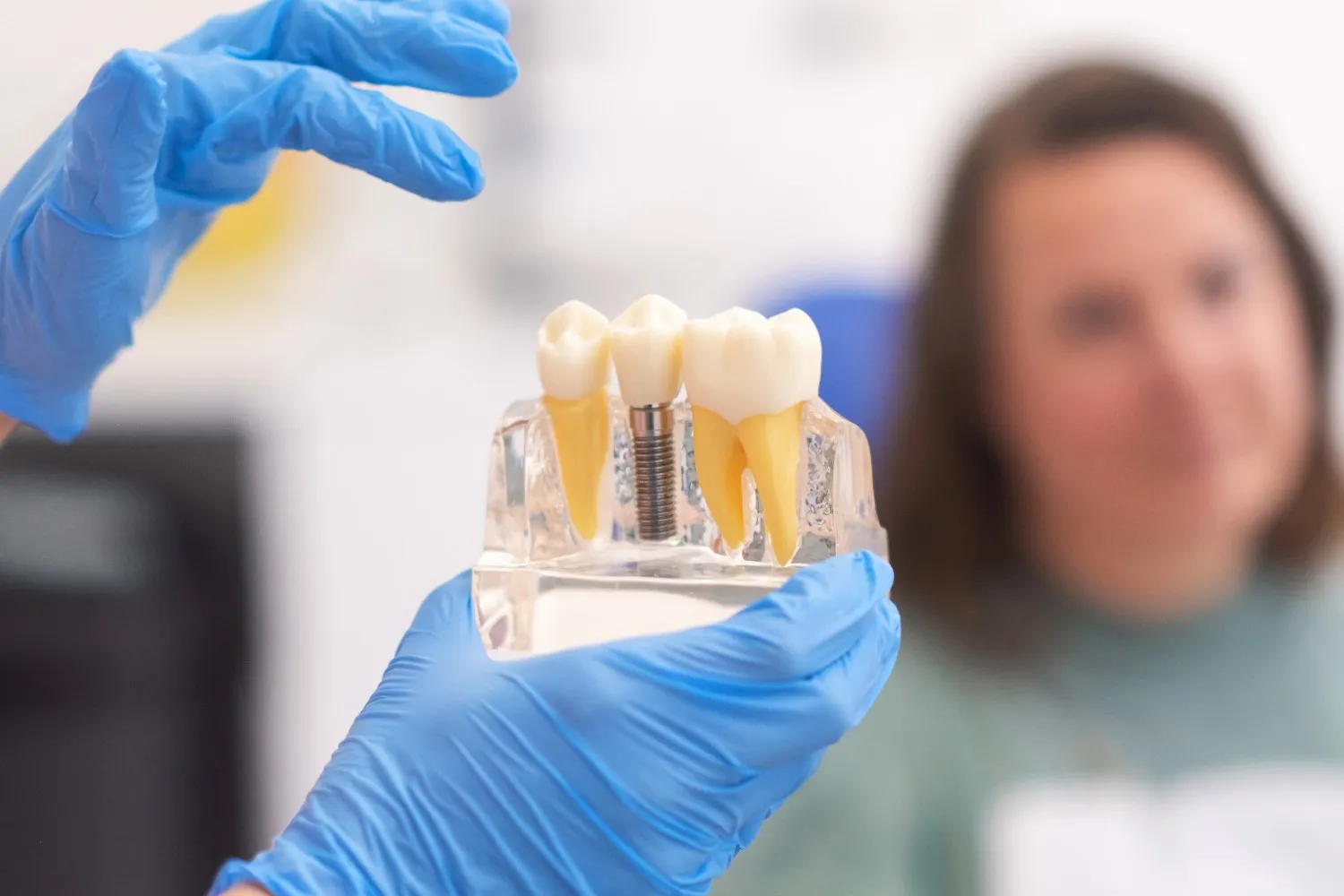
No, dental implants are generally not considered orthodontics. Dental implants are part of restorative dentistry and are designed to replace missing tooth roots and support replacement teeth. An implant is placed into the jawbone and can support a crown, bridge, or full arch restoration.
Orthodontics, on the other hand, focuses on moving teeth into healthier and more functional positions. Treatments such as braces and clear aligners are commonly used to address crowded teeth, spacing, overbites, underbites, and other alignment concerns.
If you are researching whether dental implants are considered orthodontics because you have missing teeth, a professional implant consultation can help determine whether implant treatment is appropriate for you.
Orthodontics vs Implants: What Is the Difference?
When comparing orthodontics vs implants, the biggest difference is their purpose.
Orthodontic treatment gradually moves natural teeth using controlled pressure. Braces and aligners can improve tooth alignment and bite relationships without replacing the teeth themselves.
Dental implants replace teeth that are missing or cannot be restored. They provide a stable foundation for replacement teeth and are intended to restore chewing ability, appearance, and oral function.
In simple terms, orthodontics moves teeth, while dental implants replace teeth.
Can Orthodontics and Dental Implants Be Used Together?
In some cases, orthodontics and dental implants may be part of the same comprehensive treatment plan. For example, a patient may need braces to improve tooth alignment before receiving an implant.
However, treatment order is important because a dental implant is designed to remain stable within the jawbone and does not move like a natural tooth. Your dentist and orthodontist can coordinate treatment when both procedures are necessary.
For patients who have multiple missing or failing teeth, full mouth dental implants may provide a comprehensive restorative option depending on their oral health and treatment goals.
What Role Does Restorative Dentistry Play?
Restorative dentistry focuses on repairing or replacing teeth to restore oral function and appearance. Dental implants are an important part of this field.
Depending on the extent of tooth loss, patients may have different implant treatment options. For example, All on 4 dental implants can support a complete arch of replacement teeth using strategically positioned implants.
For patients requiring additional support for a full arch, All on 6 dental implants may also be considered. The appropriate solution depends on factors such as bone structure, oral health, and individual treatment needs.
Why a Professional Consultation Matters
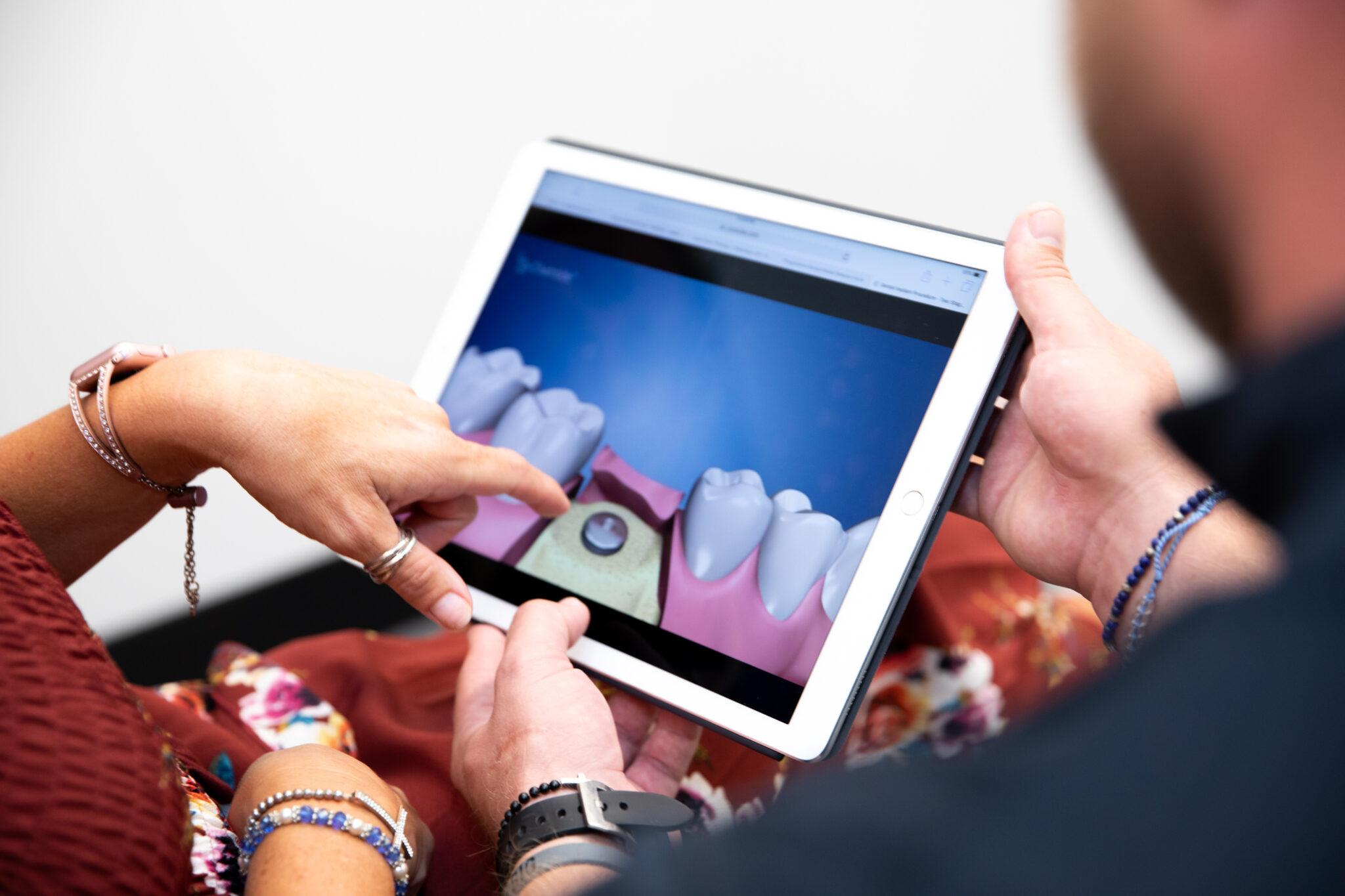
Choosing between orthodontics, dental implants, or a combination of treatments should never be based only on online information. A qualified dental professional can evaluate your teeth, gums, jawbone, bite, and overall oral health before recommending treatment.
Open Implant Chair helps patients connect with OIC-certified implant providers who can assess their needs and explain suitable implant treatment options. A consultation can provide greater clarity about your treatment goals, expected process, and available solutions.
Conclusion
So, are dental implants considered orthodontics? No. Although both treatments can contribute to a healthier and more attractive smile, they have different purposes. Orthodontics moves and aligns teeth, while dental implants replace missing teeth and restore function.
If you are considering dental implants, Open Implant Chair can help connect you with an OIC certified provider for a personalized consultation and guidance about your treatment options.
Frequently Asked Questions
1. Are dental implants considered orthodontics?
No. Dental implants are generally considered restorative treatment because they replace missing teeth. Orthodontics focuses on correcting tooth and jaw alignment using treatments such as braces or clear aligners.
2. Can I get braces if I have dental implants?
In some situations, yes. However, dental implants do not move like natural teeth, so treatment must be carefully planned. Your dentist and orthodontist can determine whether braces are appropriate for your specific situation.
3. Are dental implants better than braces?
Neither treatment is universally better because they address different problems. Braces correct tooth alignment, while implants replace missing teeth. Your dental needs determine which treatment is appropriate.
4. Can dental implants fix crooked teeth?
Dental implants replace missing or severely damaged teeth but do not straighten surrounding natural teeth. Orthodontic treatment is generally used to correct crooked or misaligned teeth.
5. How do I know which implant treatment is right for me?
A professional evaluation is the best way to determine the appropriate implant treatment. Your provider can assess your oral health, bone structure, number of missing teeth, and treatment goals before recommending a suitable option.