When it comes to restoring a damaged or missing tooth, patients often compare dental implants and crowns. Both can play an important role in modern dentistry, but they serve different purposes. Understanding the difference between an implant vs crown can help you make a more informed decision about your tooth restoration needs.
If you are wondering are dental implants better than crowns, the answer depends on your dental condition. Crowns are generally used to restore a damaged tooth that still has a healthy root, while dental implants can replace a missing tooth and its root.
Dental Implants vs Crowns: What Is the Difference?
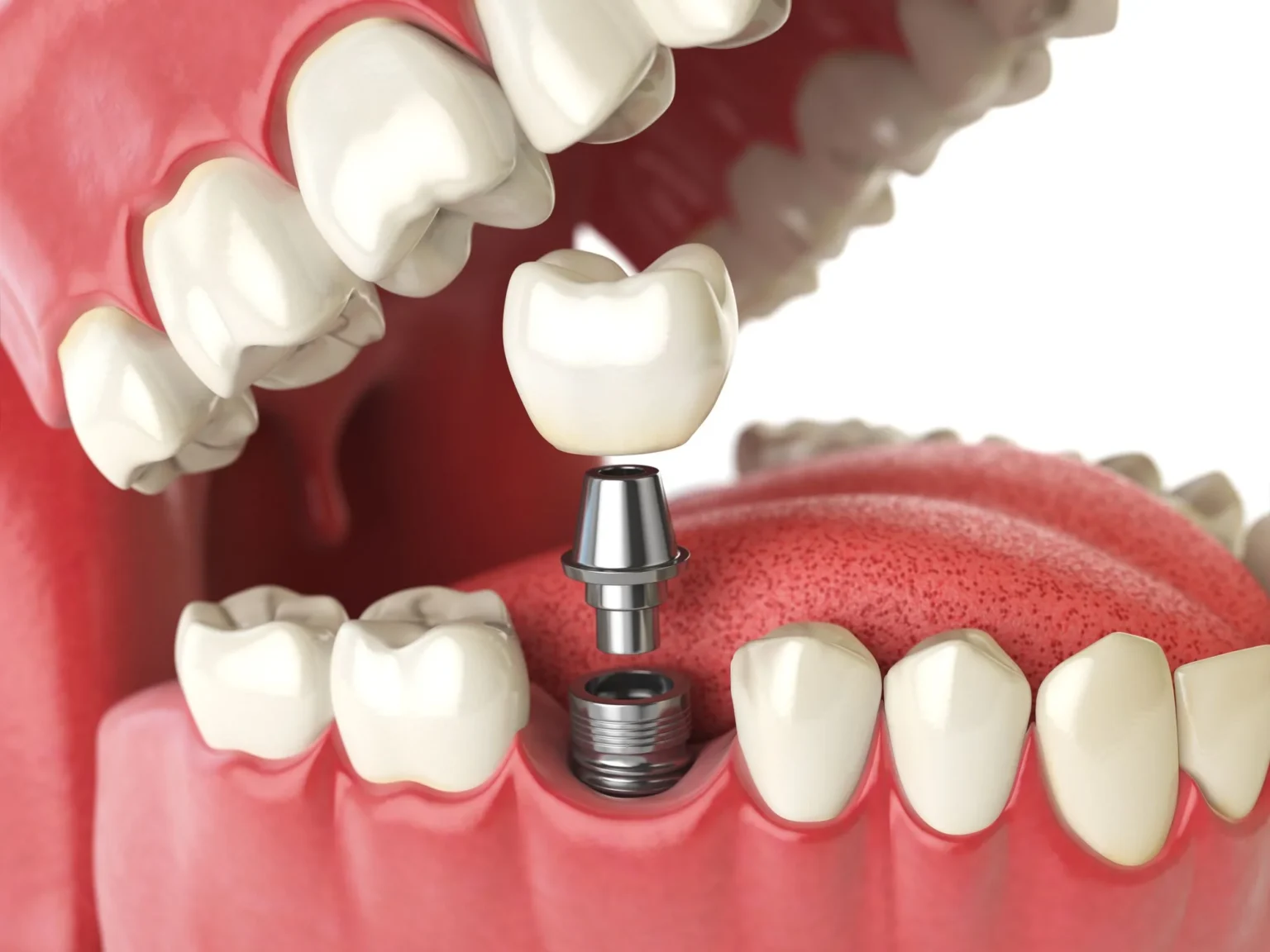
A dental crown is a custom-made restoration placed over an existing tooth or supported by another dental restoration. It can restore the shape, strength, and appearance of a tooth that has been significantly damaged but still has enough healthy structure to support the crown.
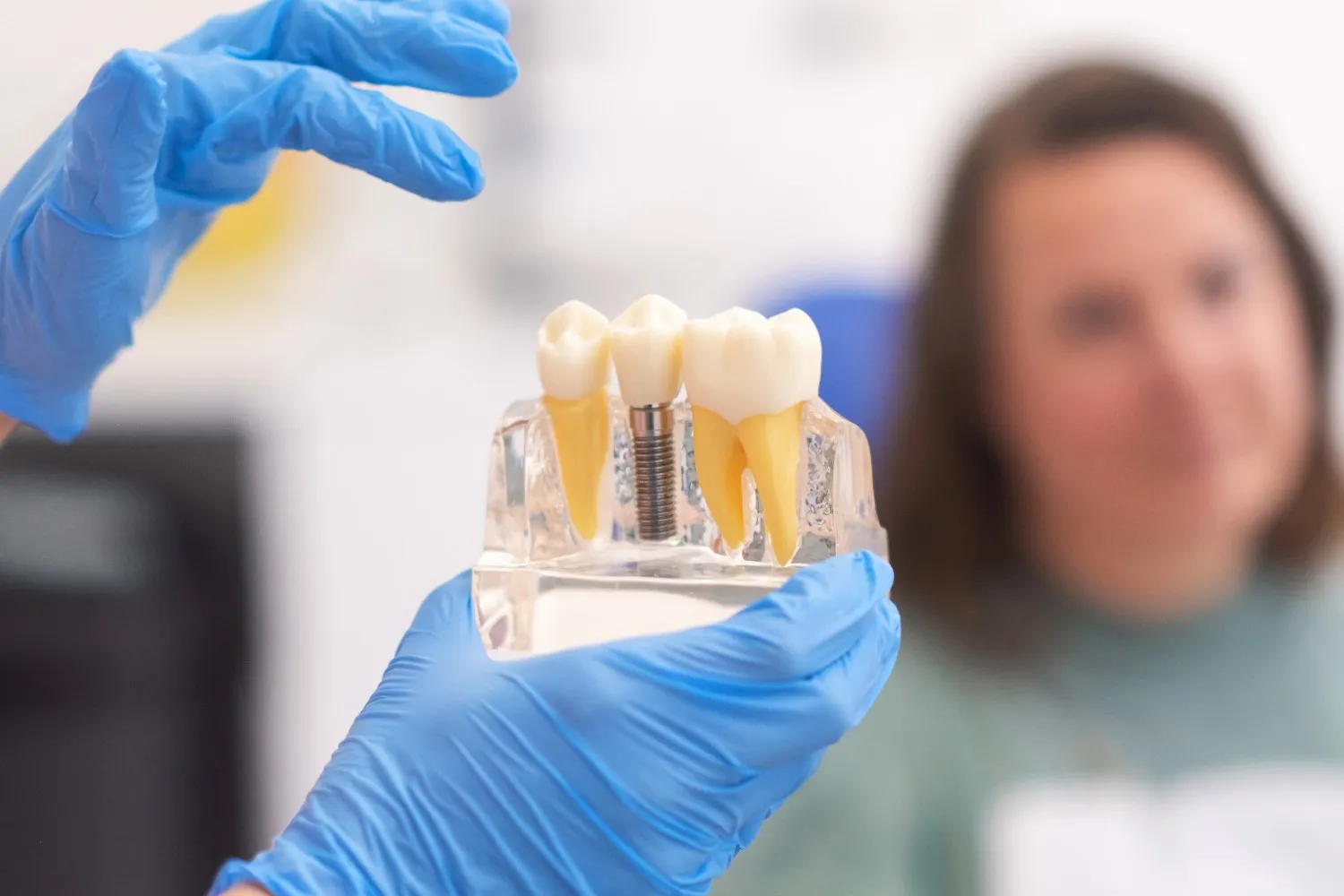
A dental implant works differently. It involves placing a biocompatible implant into the jawbone to replace the missing tooth root. After healing, a custom restoration is attached to the implant. This makes implants a comprehensive option for patients who have lost a tooth.
For someone with a severely damaged or missing tooth, an implant may offer a more complete missing tooth treatment than a traditional crown.
When Is a Dental Crown the Better Choice?
Crowns can be an excellent choice when the natural tooth root remains healthy, and the tooth can be restored. A crown may help protect a weakened tooth after extensive decay, damage, or certain dental procedures.
One advantage of crowns is that they usually involve less invasive treatment than an implant because the natural tooth is retained. Your dentist can evaluate the remaining tooth structure and determine whether restoration with a crown is appropriate.
However, if a tooth cannot be saved or is already missing, a crown alone cannot replace the tooth root.
When Are Dental Implants a Better Option?
Dental implants may be recommended when a tooth is missing or cannot be successfully restored. Because an implant replaces the tooth root, it provides a stable foundation for a replacement tooth.
One major benefit is implant longevity. With appropriate oral hygiene, regular dental visits, and proper professional care, dental implants can provide a long-lasting tooth replacement solution.
Learn more about dental implant services from Open Implant Chair
Implants may also help support normal chewing and maintain stimulation of the jawbone. However, candidacy depends on factors such as bone quality, gum health, overall oral health, and the specific condition of the missing tooth area.
Are There Dental Crown Alternatives?
If a tooth is missing, patients may consider several dental crown alternatives, including dental implants, bridges, or removable dentures. The most appropriate option depends on your oral health, treatment goals, budget, and long-term expectations.
For patients missing multiple teeth or experiencing extensive tooth loss, full arch implant solutions may also be considered. Open Implant Chair connects patients with certified implant providers who can evaluate their needs and explain suitable treatment options.
For example, patients with extensive tooth loss may explore full mouth dental implants as part of a comprehensive restoration plan.
Choosing the Right Tooth Restoration
There is no single solution that is best for every patient. A crown may be ideal when a natural tooth can be preserved, while an implant can be a strong option when the tooth and root are no longer viable.
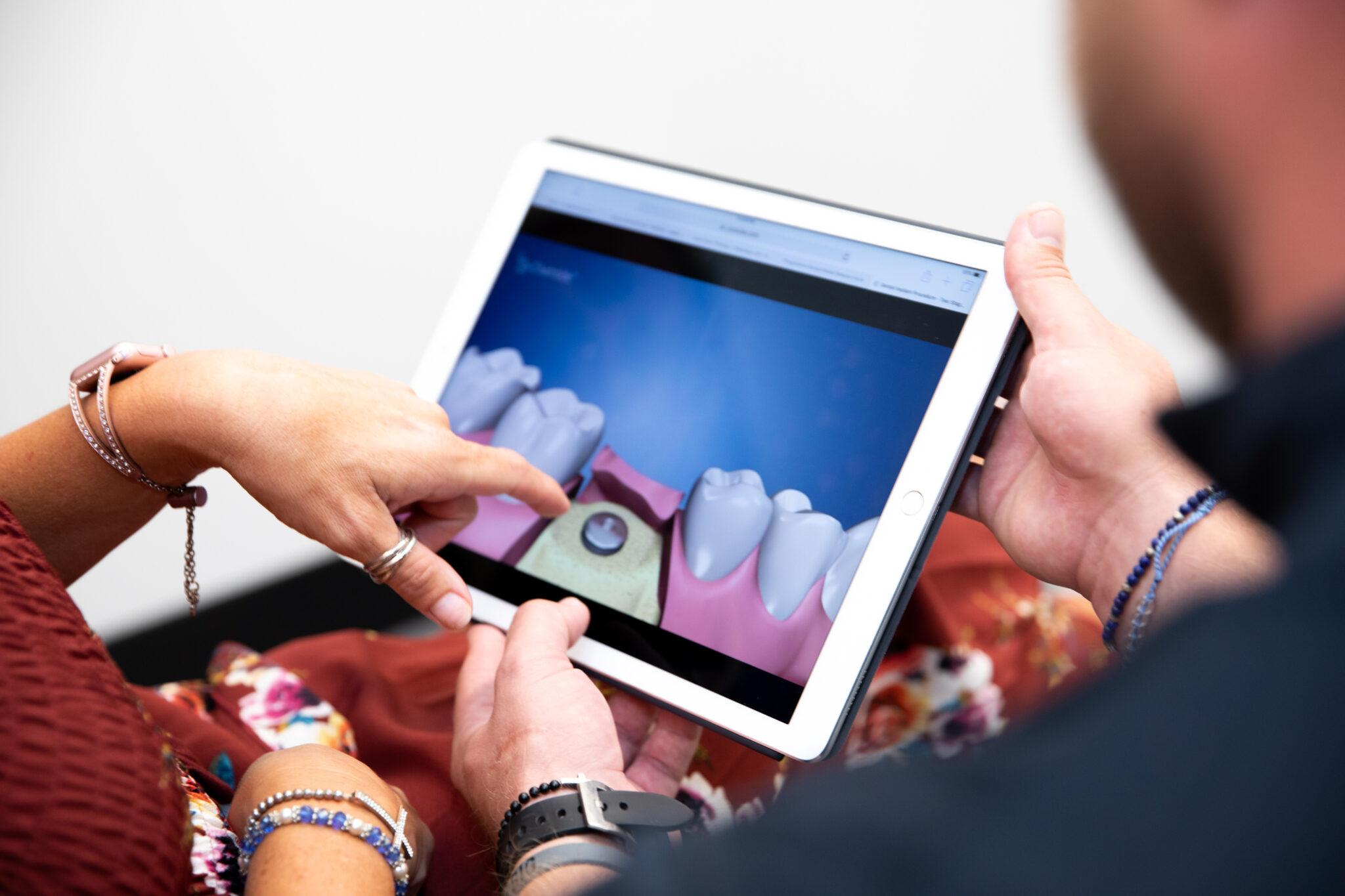
The best way to compare an implant vs. a crown is through a professional dental evaluation. Your provider can assess your teeth, gums, jawbone, and overall oral health before recommending a treatment.
If you are considering dental implants, Open Implant Chair can help connect you with an OIC-certified implant provider based on your location, treatment goals, and needs.
Frequently Asked Questions
1. Are dental implants better than crowns?
Dental implants are not automatically better than crowns. Implants are generally designed to replace missing teeth, while crowns restore damaged teeth that can still be preserved. The right choice depends on your individual dental condition.
2. What is the main difference between an implant and a crown?
An implant replaces the tooth root and supports a replacement tooth. A crown covers or restores an existing tooth structure. They are designed for different dental situations.
3. How long can dental implants last?
Dental implants are designed as a long-term tooth replacement option. Their longevity can depend on oral hygiene, gum health, lifestyle, maintenance, and professional dental care.
4. Can a crown replace a missing tooth?
A traditional crown alone cannot replace a missing tooth root. When a tooth is completely missing, a dental implant, bridge, or another replacement option may be considered.
5. How do I know which tooth restoration is right for me?
A dental professional can examine your teeth, gums, and jawbone and discuss your goals before recommending treatment. A personalized consultation is the best way to determine whether a crown, implant, or another restoration is appropriate.